Nitrogen Fertilizer Market: Global Trends & Spring 2027
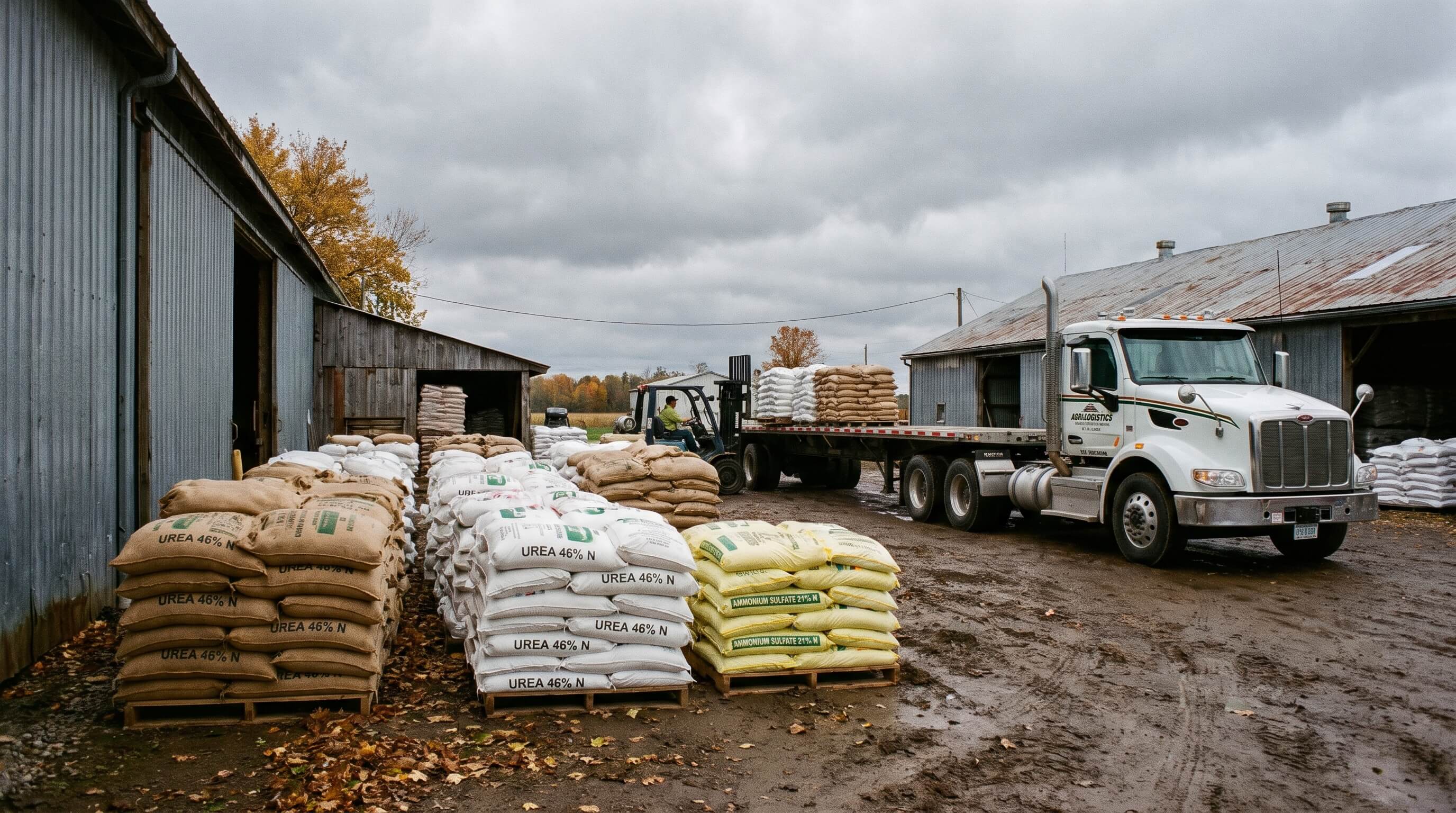
Global Nitrogen Fertilizer Dynamics: Tactical Buying Window or Looming Supply Bottleneck?
International nitrogen fertilizer markets entered November on a distinctly softer trajectory. Spot quotations for both granular and prilled urea across major global benchmarks—spanning North Africa, the Middle East, and Asia-Pacific origins—retreated following weeks of relative price stability. The primary catalyst driving this immediate downward pressure was a notable drop in European benchmark natural gas futures on the Dutch TTF hub, which pulled back sharply from late-October highs. This energy decline temporarily took the wind out of bullish sentiment, prompting global trading firms to lower their bids and adopt a defensive posture.
For agricultural enterprises and farm procurement managers preparing for the upcoming 2027 spring cropping season, this market pause creates a deceptive sense of security. With winter crop planting concluded across Eastern Europe and field operations winding down, the natural inclination is to defer purchasing decisions for early-spring top-dressing and pre-sowing fertilization. However, a deeper look beyond surface-level spot indices reveals severe structural discrepancies between current wholesale sentiment and actual industrial production costs.
Does the present downward slide indicate sustained structural softness, or does it represent a brief tactical procurement window that will abruptly close as spring demand accelerates? Evaluating cost floors, geopolitical choke points, and global trade flows indicates that waiting too long carries substantial supply-chain risks.
Key Market Developments: Depressed Bids Against Constrained Supply
Sluggish trading sentiment has become pervasive across primary international demand centers. In Brazil, despite the market being in the midst of its peak seasonal urea import window, purchasing appetite remains subdued. Brazilian buyers continue to resist fixed spot price levels, citing squeezed farmgate crop economics and showing a strict preference for formula-indexed arrangements. Concurrently, the United States market reflects comparable lethargy: river barge values at the US Gulf have softened amid tepid interior demand, while vessel imports continue to accumulate well above historical five-year averages.
In contrast, the supply side of the equation tells a far more fragile story. In Egypt, fertilizer manufacturers recently implemented roughly 20% production cutbacks due to domestic natural gas supply restrictions and maintenance constraints. Under standard market dynamics, such a material contraction in Mediterranean export availability would spark an immediate bullish reaction. Yet, European buyers met this production curtailment with indifference, allowing regional netbacks to erode further. Buyers are relying heavily on near-term spot hand-to-mouth deliveries rather than committing to producer-targeted booking prices.
Meanwhile, the global ammonium sulphate sector remains anchored by Chinese supply. Chinese caprolactam-grade and compacted amsul export values have largely stabilized. While government agencies and commercial buyers across East and West Africa have issued significant inquiries for bulk shipments, executable deals remain constrained as delivered cost expectations clash with high maritime freight rates and tight foreign exchange liquidity.
Deep Market Analysis: Industrial Losses and Geopolitical Realities
The European Energy Dilemma and Industrial Loss Pressures
Despite the recent retreat in European natural gas benchmarks, the fundamental economics of local nitrogen manufacturing remain profoundly inverted. According to official statistical frameworks and chemical monitoring from Eurostat, energy accounts for 70% to 85% of total variable production costs for synthetic ammonia and urea. Cash-cost models demonstrate that producing urea within the European Union at current gas tariffs remains significantly above prevailing spot import prices delivered to Atlantic and Black Sea ports.
This economic stress is evident in the corporate performance of major European chemical groups. Poland’s Grupa Azoty recently posted a sharp operating loss (negative EBITDA) in its agricultural business unit for the third quarter, driven directly by unabsorbed natural gas costs. Company leadership underscored that producers cannot pass these elevated production expenses on to downstream consumers because farmers are already struggling with depressed agricultural commodity values. Consequently, industrial operating rates across the Continent remain suppressed, resulting in historically lean commercial inventories heading into the winter period.
Agricultural Commodity Pressures and Farmer Purchasing Power
Farmer hesitation is fundamentally rational when evaluated against global crop balance sheets. According to recent data released by the Food and Agriculture Organization of the United Nations (FAO), the FAO Food Price Index (FFPI) softened in October, led by a 4.5% month-on-month drop in the Cereal Price Index. International wheat and coarse grain quotations experienced downward pressure amid improved Southern Hemisphere harvest prospects and cautious import demand. This margin compression at the farm gate has curtailed immediate agricultural liquidity worldwide, delaying seasonal fertilizer procurement.
According to the World Bank’s latest Commodity Markets Outlook, geopolitical risks surrounding maritime transit corridors, particularly the Strait of Hormuz, continue to underpin global energy and fertilizer volatility. The World Bank cautions that while macroeconomic headwinds may cause short-term price pullbacks, global fertilizer availability remains structurally exposed to unexpected energy and shipping disruptions.
The Ukrainian Context: Structural Import Reliance
For the Ukrainian agricultural market, these global dynamics carry outsized consequences. Data from the Ministry of Agrarian Policy and Food of Ukraine indicates that domestic agriculture relies on imports for more than 60% to 70% of its total nitrogen fertilizer requirements. Domestic plants continue to operate under severe constraints, including grid instability, security challenges, and elevated domestic gas tariffs, making fully self-sufficient local supply impossible.
Consequently, Ukrainian agribusinesses depend entirely on ocean-going imports through Black Sea and Danube ports (such as Izmail, Reni, and the Greater Odesa terminals), alongside rail logistics across the western border. If agricultural producers collectively defer nitrogen procurement until January or February 2027, the concentration of import demand will inevitably overwhelm available border transit infrastructure and transshipment hubs. The illusion of oversupply currently painted by weak spot prices ignores the physical lead times required to move imported product into regional Ukrainian warehouses.
Strategic Outlook and Recommendations: Securing Spring 2027 Nutrition
Looking ahead over the next 1 to 3 months, the current softness in international nitrogen quotations is likely to encounter a firm price floor. As winter heating demand across the Northern Hemisphere expands, natural gas prices typically experience renewed upward pressure, eliminating any scope for European producers to lower operational costs. Furthermore, once planting season preparations begin simultaneously across North America, Europe, and Ukraine in early 2027, the sudden synchronization of demand will quickly absorb uncommitted global merchant tonnage.
For agricultural operators, waiting for further marginal price dips represents an asymmetrical risk: the downside potential is negligible given established manufacturing cost floors, whereas the upside risk—stemming from shipping freight spikes, European supply deficits, and domestic border congestion—is considerable. Partnering with established import specialists provides agribusinesses with secure product allocation, verified quality certificates, and guaranteed delivery schedules tailored to early-spring field work.
Current market conditions present an advantageous tactical window to execute forward import contracts before global seasonal demand tightens the market. Contact our international supply team today to verify current product availability at key import hubs and request a customized supply quote for your spring 2027 requirements.
Actionable Takeaways for Farm Management:
- Capitalize on the Pricing Lull: Exploit the present softening in global urea and nitrogen prices to contract required spring tonnage before energy markets re-tighten.
- Account for Production Fragility: European industrial losses and Egyptian output restrictions indicate that global spot supply can tighten rapidly once seasonal buying restarts.
- Mitigate Logistics Bottlenecks: Prioritize import procurement well in advance to avoid inevitable railway and border crossing delays in early 2027.