Fertilizer Market: Urea Prices Are Rising – What Should Farmers Expect?
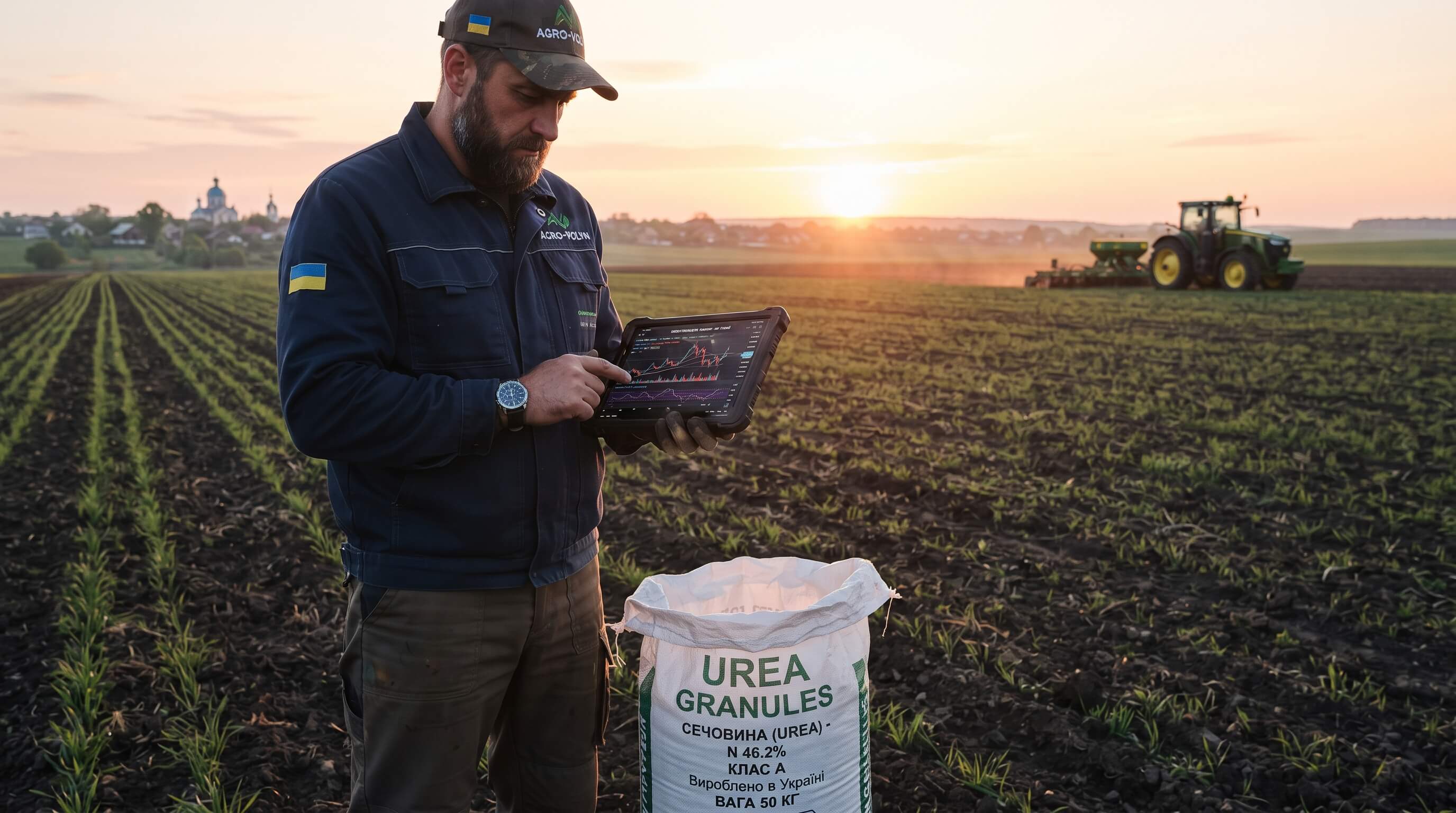
The global mineral fertilizer market is once again showing signs of instability, directly impacting the planning and budgeting of Ukrainian agricultural enterprises. The final weeks of July 2026 have been marked by a significant increase in prices for urea, a key nitrogen product. This trend, originating from key producing regions like Egypt, presents new challenges for farmers preparing for the autumn sowing campaign and laying the groundwork for next year's harvest.
For Ukrainian agrarians, where efficient resource management is crucial for profitability, the current market dynamics serve as a call to action. Ignoring these global shifts could lead to a substantial increase in production costs in the coming months. Therefore, understanding the factors driving the market and developing a proactive procurement strategy is becoming not just an advantage, but a necessity to ensure competitiveness.
Key Trends in the Nitrogen Fertilizer Market
Urea has become the epicenter of the price rally. Trading activity in Egypt and increased demand from major importers like Brazil have pushed quotations to new highs. This is not a local fluctuation but a clearly defined upward trend, reinforced by market players' confidence in further growth. When leading producers conclude deals at progressively higher prices, it creates a chain reaction worldwide, affecting the product's cost in all regions, including the Black Sea market.
In contrast to urea, the ammonium sulphate market is demonstrating relative stability. Prices for this product, particularly for shipments from China and to Brazil, remain largely unchanged. This offers an interesting alternative for farmers seeking more predictable sources of nitrogen and sulphur. However, this stability may be temporary, as any significant changes in the urea market could eventually impact adjacent segments.
A significant factor adding uncertainty to the market is geopolitical tension. The recent incident near the Strait of Hormuz, a key maritime route for fertilizer exports from the Middle East, is a stark reminder of the fragility of global supply chains. While serious disruptions have been avoided for now, any escalation could lead to delivery delays and a sharp spike in freight rates, which would inevitably affect the final price for importers.
In-Depth Market Analysis and Implications for Ukraine
One of the fundamental game-changing factors is the European Union's environmental policy. The Carbon Border Adjustment Mechanism (CBAM), which has come into effect, has already begun to alter trade flows. Evidence suggests that fertilizer imports into the UK, which is preparing to implement its own version of CBAM, have shifted towards non-EU suppliers such as Turkey, Egypt, Trinidad and Tobago, and the US. This is because importing products with a high carbon footprint into the EU is becoming more expensive.
For Ukraine, this has a dual significance. On one hand, it creates competition for fertilizers from non-European sources, which could keep prices high. On the other hand, it encourages producers worldwide to decarbonize, which could stabilize the market in the long term. Ukrainian importers must account for these complex processes, building logistics and seeking reliable suppliers who can offer competitive prices under the new conditions.
According to World Bank forecasts, global demand for fertilizers will remain stable, but price volatility driven by energy markets and geopolitics will persist. Ukrainian farmers should be aware that prices for natural gas, the primary raw material for nitrogen fertilizer production, remain unpredictable. Experienced import partners constantly monitor these markets to hedge risks and offer agricultural producers optimal terms.
Strategic Outlook and Conclusion
Analyzing the current dynamics, it can be concluded that the period of low urea prices is likely over. The market has entered a growth phase, and the next 1-3 months will show whether this trend will solidify. Expectations of continued demand from key markets like India and Brazil, as well as potential logistical risks, create the conditions for further price strengthening.
In this environment, a "wait-and-see" strategy could prove to be a losing one. Postponing fertilizer purchases carries the risk of facing even higher prices and limited supply later on. A window of opportunity is now opening to secure contracts at current, albeit rising, prices to lock in costs and ensure guaranteed product availability for the autumn season.
Working with a reliable importer who has a diversified portfolio of suppliers and a deep understanding of global market processes becomes a key element of risk management. Such partners can help navigate the complex situation, offer flexible terms, and ensure the timely delivery of quality fertilizers. Contact our specialists to develop a procurement strategy tailored to the current market conditions and to receive a competitive offer.