Calm Before the Storm? Why the Fertilizer Market Is Sending a False Signal
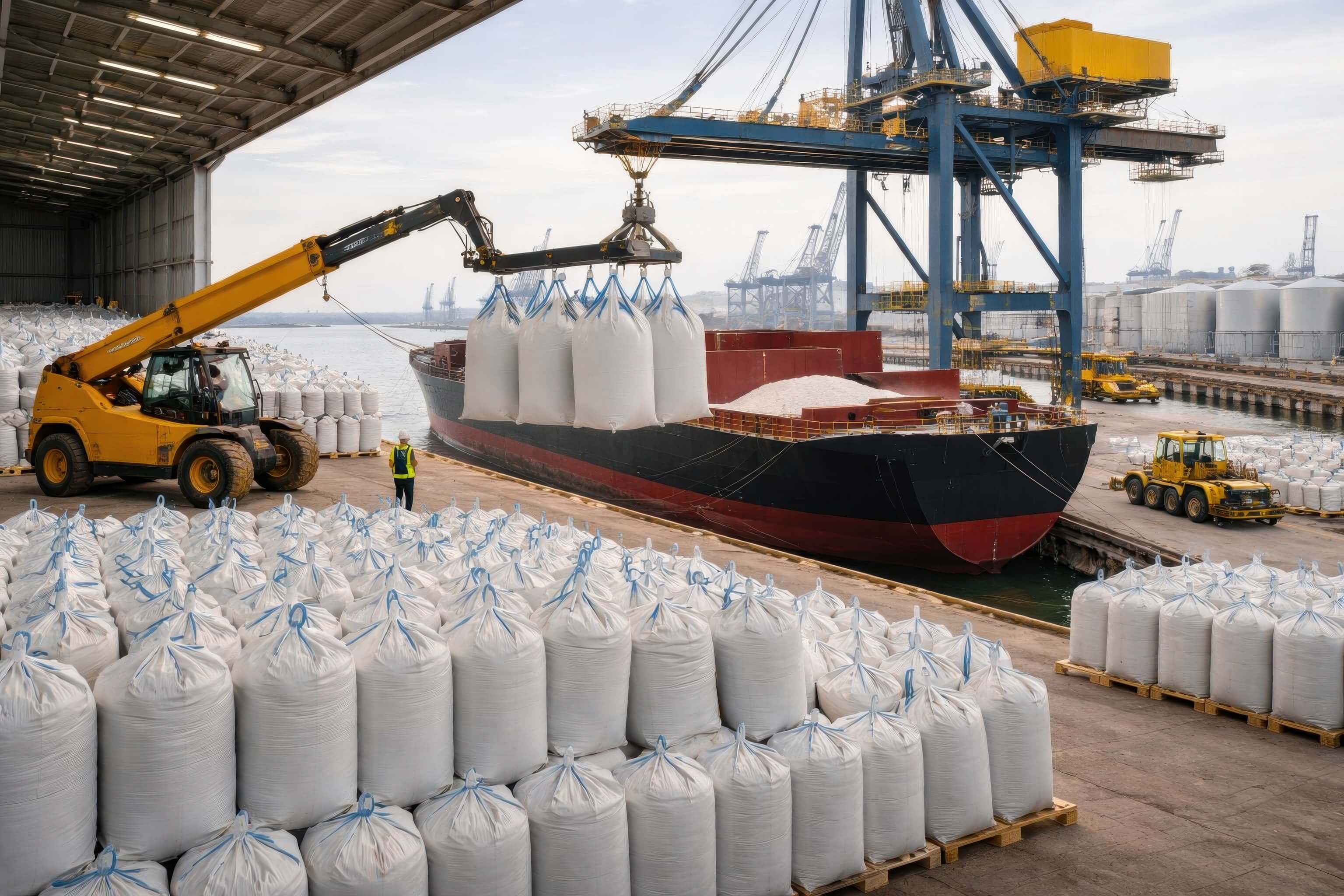
On the eve of the New Year holidays, the global mineral fertilizer market has entered an expected lull. Trading activity has slowed, and price indicators in key markets, from Egypt to Brazil, are showing temporary stability. This superficial calm could give importers and farmers a false sense of market stabilization, suggesting that procurement can be postponed. However, such an approach is extremely risky.
Beneath this tranquility lie fundamental tectonic shifts capable of dramatically altering the price landscape in early 2026. The key battleground for the future cost of fertilizers is becoming Europe, where regulatory changes and economic realities are creating immense pressure on producers. Ignoring these signals today means consciously budgeting for significantly higher costs for the spring planting season. It is precisely now, during this temporary pause, that a short strategic window is opening for making well-informed decisions.
The New European Vector: Carbon Taxes and State Support
The most significant long-term market driver is the European Commission's decision to expand the list of sectors eligible for compensation for indirect costs under the EU Emissions Trading System (ETS). For the first time, fertilizer producers have been included. At first glance, this seems like a positive signal intended to support European manufacturers. However, it is essentially an admission of a critical situation: the cost of CO2 emissions in Europe has reached its highest levels since 2023, making fertilizer production unprofitable.
This compensation will not make European fertilizers cheaper on the global market; its purpose is to prevent the complete shutdown of plants and their flight to jurisdictions with less stringent environmental regulations—a phenomenon known as "carbon leakage." For a global importer, this means that the cost of production in the EU is establishing a new, higher price floor. Consequently, producers in other regions, such as the Middle East, seeing the struggles of their European competitors, will have no incentive to lower their own prices.
Deep Dive Analysis: Regional Contrasts and Global Consequences
While Europe grapples with high costs, opposite trends are forming in other parts of the world. In Southeast Asia, particularly in Thailand and Vietnam, there is a decline in fertilizer demand. This is linked to weather anomalies caused by the La Niña phenomenon and high carryover stocks in importers' warehouses. It is expected that fertilizer availability in this region may improve in the first quarter of 2026, putting downward pressure on local prices.
However, for the global market, the European factor is far more significant. A potential reduction in EU production or sustained high prices for their products will inevitably intensify competition for volumes from North Africa and the Middle East. Major importing regions will be competing for these cargoes not only with traditional buyers but also with Europe itself. An additional layer of uncertainty is the postponement of the final vote on the trade agreement between the EU and the Mercosur countries (Brazil, Argentina, Paraguay, Uruguay), which constrains long-term planning for South American farmers.
Attention should also be paid to the ammonium sulphate market. Rising exports from China indicate that farmers are seeking more affordable sources of nitrogen and sulphur. This is a smart tactical diversification, but it cannot fully replace base fertilizers like urea, demand for which will rebound with renewed force after the holidays.
A Strategic Outlook for Agricultural Enterprises
The forecast for the first months of 2026 is concerning. The current market lull is not stabilization but an accumulation of energy before a new price surge. When the market emerges from its holiday pause in January, demand will resume, but it will face a new reality—higher baseline costs in key production regions.
A "wait-and-see" strategy this year could prove to be a costly mistake, leading to procurement at peak prices or, worse, a physical shortage of product. Now is the ideal time to hedge these risks. This means not just monitoring prices, but engaging in active dialogue with importers, analyzing supply chains, and securing agreements for future deliveries. Locking in terms today is an investment in the predictability and financial stability of the upcoming planting season.
Experienced import partners are already negotiating and contracting volumes for January-February, understanding that competition for available parcels will increase significantly after the holidays. Working with such a company ensures not only access to the product but also its timely delivery, which is critical for meeting agronomic deadlines.