Urea Prices: What to Expect for the Spring 2026 Planting Season
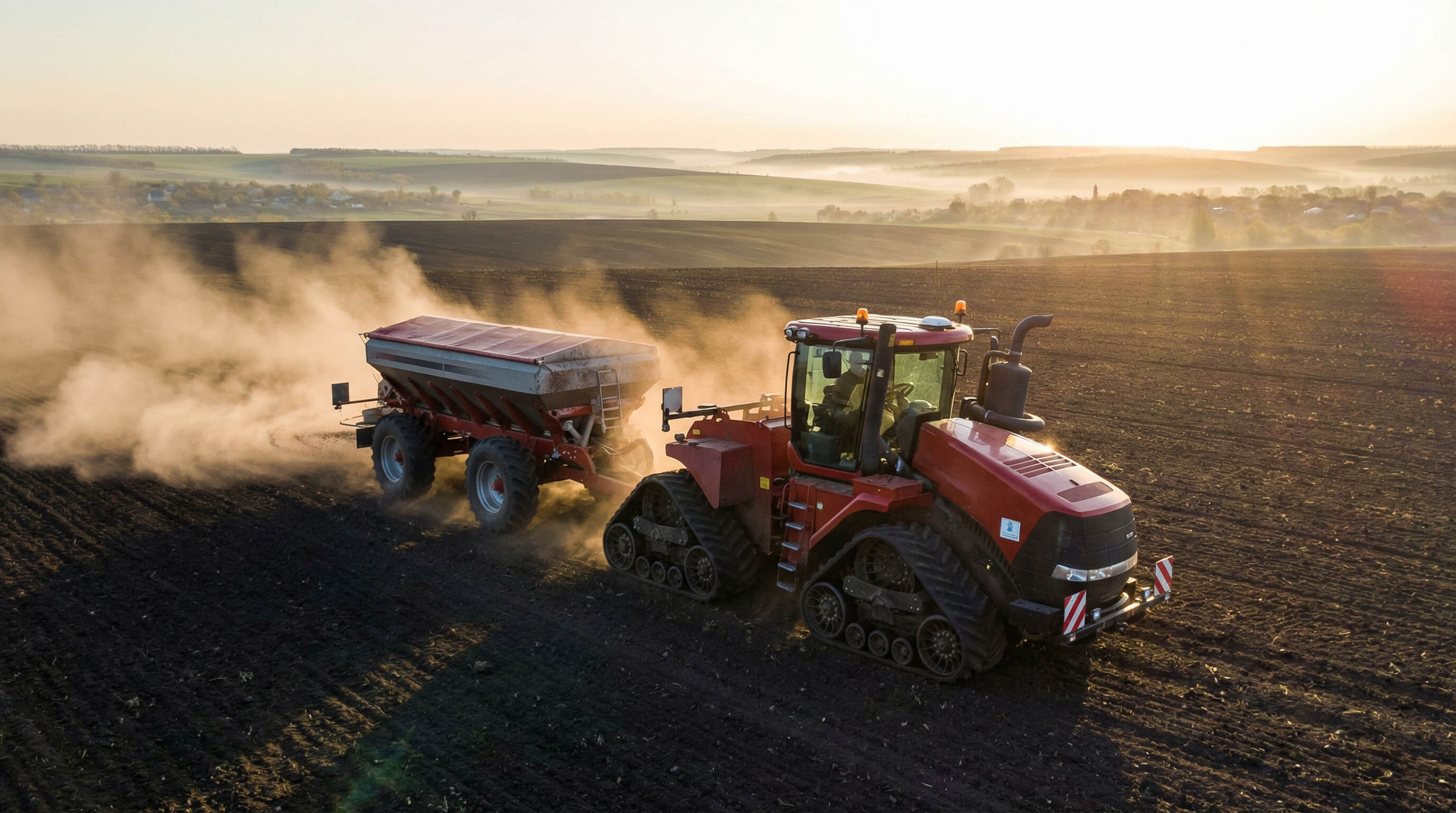
Tension is rapidly mounting in the global nitrogen fertilizer trading landscape. Prices for urea, a critical resource for the spring planting season, are on a sharp upward trend, forcing farmers worldwide—and particularly in import-dependent regions—to reassess their procurement strategies. This market agitation is primarily fueled by anticipation of a major tender in India, which could significantly tighten the available volume of fertilizers on the global stage.
This dynamic creates considerable uncertainty. On one hand, if the Indian tender proceeds as expected, it could trigger further shortages and push prices to new highs. On the other, any delay or cancellation might lead to a temporary price correction. However, relying on the latter scenario is a risky gamble, especially with active fieldwork on the horizon when the demand for nitrogen fertilizers peaks.
Key Drivers of the Global Price Surge
The current increase in urea costs is not the result of a single factor but rather a convergence of several significant circumstances. Firstly, leading producers in the Middle East and North Africa are already capitalizing on firm demand from European and American buyers, closing deals at higher prices. Limited availability from certain key suppliers, due to internal production constraints, only exacerbates this pressure.
Secondly, logistics play a crucial role. According to the World Bank, maritime freight costs remain relatively high, directly impacting the final landed cost of imported fertilizers. Any disruptions in supply chains, especially at key maritime hubs, immediately translate into higher freight rates and extended delivery times.
An additional element complicating forecasts is the situation with supply from China. While Chinese manufacturers are major players, their export policies remain focused on domestic needs, limiting their ability to flood the global market with supply in the short term and temper price hikes.
Analysis of Implications for the Agricultural Sector
For agricultural enterprises that rely on imports, the current global environment poses direct threats. Rising urea prices directly increase the cost of production for major crops like wheat, corn, and sunflower. As noted in reports from institutions like the FAO, adequate nitrogen fertilization is a critical component for achieving target yields, especially in intensive farming systems.
The reliance on fertilizer imports makes farmers particularly vulnerable to global price fluctuations. Experienced importers are already noting more challenging negotiations for new contracts. Producers are hesitant to lock in prices, preferring to wait for the outcome of the Indian tender, which creates a risk of a closing "window of opportunity" for buyers.
It is also worth considering alternatives. While urea is the primary source of nitrogen, under current conditions, some farms may explore partially shifting to other nitrogen fertilizers, such as ammonium nitrate or UAN. However, such a transition requires careful agronomic calculation and consideration of specific cultivation technologies.
Strategic Outlook and Recommendations
The situation is likely to remain tense over the next 1-2 months. Much will depend on the volume and timing of India's procurement. If the tender is announced soon, the upward pressure on prices will almost certainly intensify. This means that delaying fertilizer purchases until the start of spring is an extremely risky strategy. One could face a scenario of having to buy necessary volumes at a much higher price or dealing with physical shortages in warehouses.
Given the high volatility, the key task for agricultural businesses is risk minimization. Working with reliable, established import partners who have long-term contracts and diversified supply channels is becoming paramount. Such companies are better positioned to offer more stable conditions and guarantee resource availability.
Now is a critical moment for strategic decision-making. Securing your nitrogen fertilizer supply at current—albeit high—prices may prove far more advantageous than waiting in a climate of uncertainty. To navigate the current conditions and secure supplies for your enterprise, we recommend consulting with experts immediately. Contact us to discuss your needs for the upcoming season and to request a current quote.