Fertilizer Prices Are Dropping: A Strategic Moment for Farmers
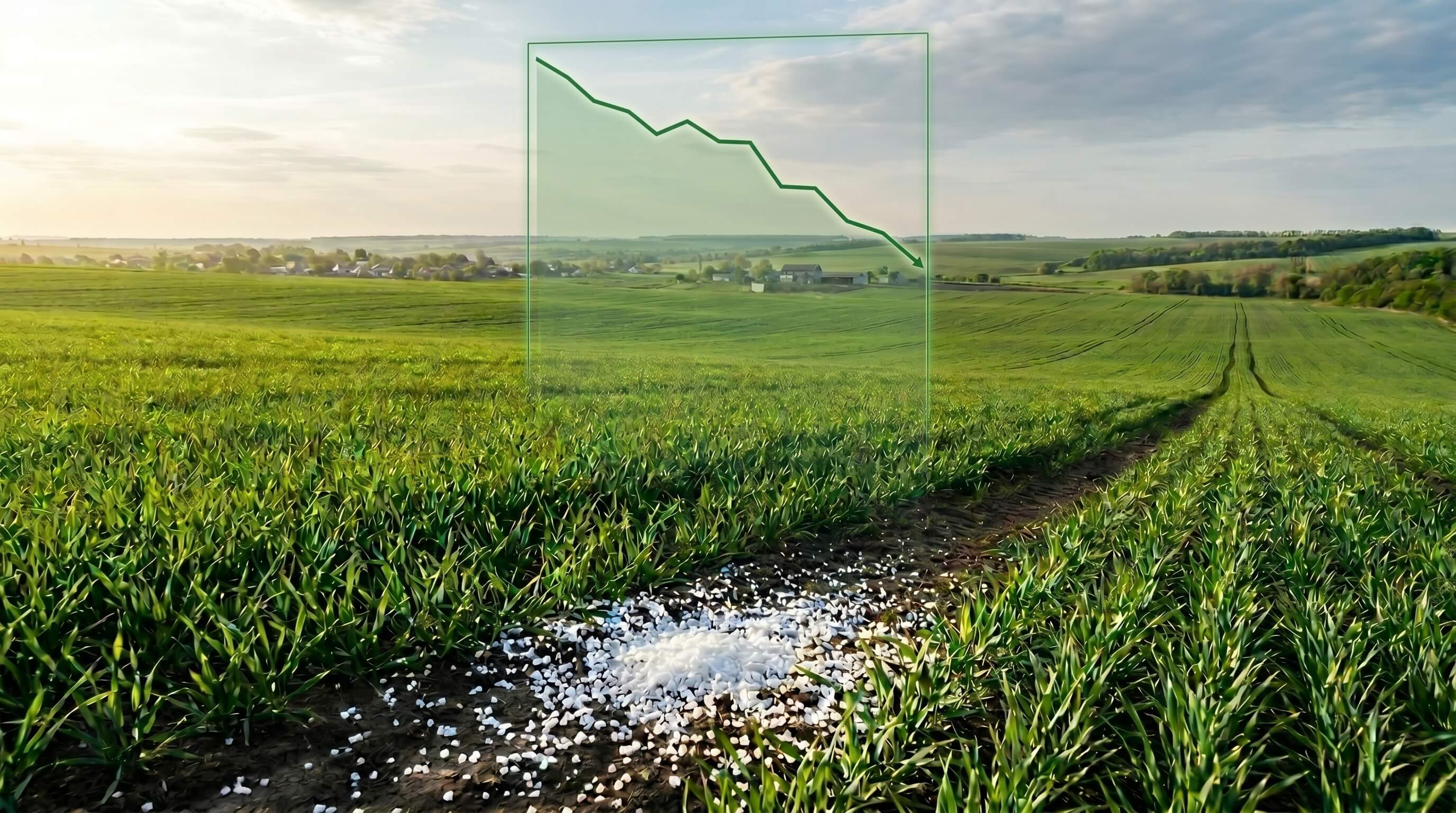
The global nitrogen fertilizer market is currently navigating one of its most dynamic periods in recent memory. Prices for key products, particularly urea, are exhibiting a sharp downward trend, creating a new operational landscape for agricultural producers worldwide. For the agricultural sector, which relies heavily on imported inputs, this situation presents a unique window of opportunity, yet it also carries underlying risks associated with market volatility.
This price decline is not a random fluctuation but the result of several powerful global factors converging at once. Understanding these drivers is essential for making sound procurement decisions for the upcoming season. Experienced importers and market analysts are closely monitoring these signals to help farms avoid unnecessary costs and secure critical resources in a timely and cost-effective manner.
Key Drivers Behind the Global Price Decline
The central event triggering the current price trend is the anticipated return of China to the global fertilizer market as a major exporter. For an extended period, the Chinese government restricted exports to stabilize its domestic market, but now the industry is bracing for a significant influx of Chinese-origin urea. Expected export allocations could amount to several million tonnes, creating substantial downward pressure on global prices.
This factor is amplified by widespread buyer passivity. Major importers like India and Brazil, as well as farmers in Europe and the Americas, have adopted a wait-and-see approach. No one wants to commit to large volumes in a falling market; instead, they are waiting for prices to bottom out. This "bearish" sentiment further accelerates the downward trend, as supply temporarily far outstrips active demand.
A critical indicator for the market will be the outcome of the next major tender in India. Its results will reveal the true price floor that major producers are willing to accept. Most analysts predict that tender prices will be considerably lower than in previous transactions, which could provide another push for further global price reductions.
Market Analysis and Implications for Agriculture
For agricultural economies that are heavily dependent on imports, such as Ukraine, global price fluctuations have a direct and significant impact. According to the country's Ministry of Agrarian Policy and Food, import dependency for nitrogen fertilizers remains high, making farmers highly sensitive to global price shifts. The current price drop is a positive signal, as fertilizer costs represent a major component of the production cost structure for grain and oilseed crops.
However, the situation is not entirely straightforward. On one hand, there is a clear opportunity for significant savings. On the other hand, there is a risk that the market could reverse just as quickly as it fell. Global demand for fertilizers has not disappeared. As the Food and Agriculture Organization of the United Nations (FAO) notes, the global need for food continues to grow, necessitating agricultural intensification. Once prices reach an attractive level, major players will begin to sign contracts en masse, and the pendulum will swing in the opposite direction.
Logistics remain a critical factor, especially for regions with complex supply chains. Even with favorable global prices, transporting fertilizers can be a challenging and time-consuming process. Therefore, decision-makers must focus not just on the FOB price at a distant port but on the final landed cost at their farm's warehouse. This is where experienced import partners play a crucial role, as they can optimize supply chains and ensure timely delivery.
Strategic Outlook and Recommendations
In the next one to two months, the market will likely remain under pressure, and prices may reach their lowest point. However, waiting for this exact moment to make a purchase is an extremely risky strategy. Attempting to "catch the bottom" often results in missing the optimal window, forcing farmers to buy on a rising market while facing potential shortages and heightened competition.
A more prudent approach is to begin building inventory now, while the downward trend is clear. This allows businesses to lock in a favorable price for a portion of their required volume and diversify risk. When the market stabilizes and a modest recovery begins, demand will surge, which could lead not only to higher prices but also to logistical bottlenecks.
Now is the ideal time to consult with reliable suppliers and importers. They possess up-to-date information on market trends and can offer flexible contracting terms. Securing a farm's fertilizer supply is a strategic task that should be approached with deep analysis and professional expertise. Contact us today to discuss a procurement strategy tailored to the current market conditions and your operational needs.