Global Urea Prices Skyrocket: A Strategic Guide for Agricultural Enterprises
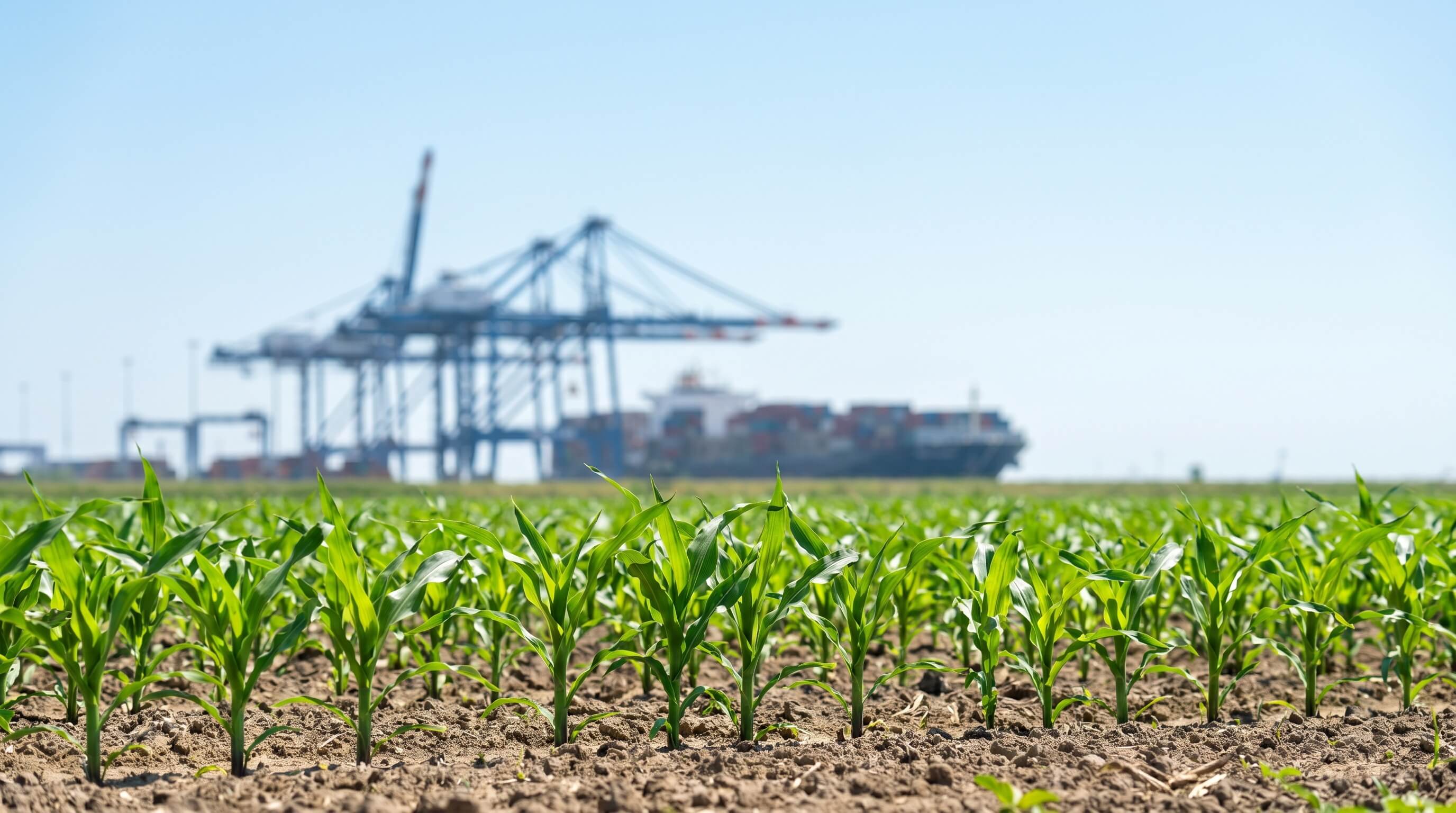
The global nitrogen fertilizer market is experiencing an unprecedented price shock, threatening the profitability of agricultural production worldwide. The trigger was a massive Indian tender that almost instantly absorbed available urea volumes on the world market, provoking a surge in prices. For agricultural enterprises now in the midst of their spring planting season, this situation presents serious challenges, requiring an immediate reassessment of procurement and logistics strategies.
Current market dynamics are not defined by the classic supply-and-demand ratio but by speculative demand from a single major player and significant geopolitical risks. This has created a perfect storm where fertilizer costs are rising daily, and the physical availability of the product has become the primary concern. In these conditions, the focus for farms is shifting from finding the lowest price to securing guaranteed supplies for critical crop growth stages.
Key Drivers of the Market Storm
The main cause of the current crisis is India's tender to purchase over 2.5 million metric tons of urea. This colossal volume, far exceeding standard market buys, has forced suppliers from the Middle East, the Baltic, and the Black Sea region to redirect their cargoes to the Indian market. Consequently, the supply for other countries has been sharply reduced, and competition for the remaining volumes has intensified dramatically.
The situation is further complicated by geopolitical tensions in the Persian Gulf, including the effective blockade of the Strait of Hormuz and the suspension of petrochemical exports from Iran. According to international trade organizations, this region is key to the global fertilizer supply. Its instability is forcing importers worldwide, from Australia to Europe, to seek alternative and more expensive sources, which adds even more upward pressure on prices.
- Supply Contraction: Russian and Middle Eastern producers are heavily focused on fulfilling the Indian contract.
- Absence of China: China, one of the world's largest urea producers, is currently absent from the export market, limiting options for supply diversification.
- Logistical Hurdles: Disruptions to traditional shipping routes increase freight costs and delivery times, creating additional risks for importers.
Market Analysis and Implications
For the agricultural sector, where nitrogen fertilizers are critical for growing key crops like corn and sunflower, the current situation is an alarming signal. According to the Food and Agriculture Organization (FAO), ensuring farmers have access to necessary inputs is a priority for global food security. However, global instability directly impacts local markets.
Volatility in the U.S. and European markets—where prices alternately spike on news from India and then temporarily retreat due to speculative selling by traders—is indicative of market nervousness. This is not a sign of a fundamental decline in demand. On the contrary, it highlights how dependent the market is on short-term factors. Such uncertainty makes long-term planning nearly impossible and increases the risks for those who postpone purchases in hopes of a price drop.
The Strategic Choice: Price vs. Availability
Today, farmers and agricultural businesses face a strategic dilemma: lock in purchases at current high prices or risk being left without fertilizer at the peak of the season. The expert consensus is that the market will remain tight for the next one to two months. A significant price decrease is not expected until after the Indian tender is fulfilled and the geopolitical situation stabilizes. In this context, securing product availability becomes more important than the price itself.
Outlook and Recommendations
The short-term outlook (1-3 months) remains challenging: prices will be high, and supply will be limited. Potential relief may come in the early summer if China resumes exports or geopolitical tensions ease, but relying on these factors is far too risky.
In conditions of global scarcity and logistical chaos, a reliable supplier is key. Experienced importers with diversified supply channels and a deep understanding of the market can be a lifeline for agricultural businesses. They are able to find available volumes, optimize logistics, and ensure timely delivery of fertilizers, minimizing the risk of disrupting fieldwork.
The window of opportunity to purchase nitrogen fertilizers for the main application season is closing quickly. Delaying could lead not just to financial losses from higher prices, but to the inability to acquire the necessary volume at all. Now is the time for decisive action. Contact our team to discuss your nitrogen fertilizer needs and secure your required volumes while they are still available.