Urea Market in Turmoil: Price Crash Creates a Buying Window
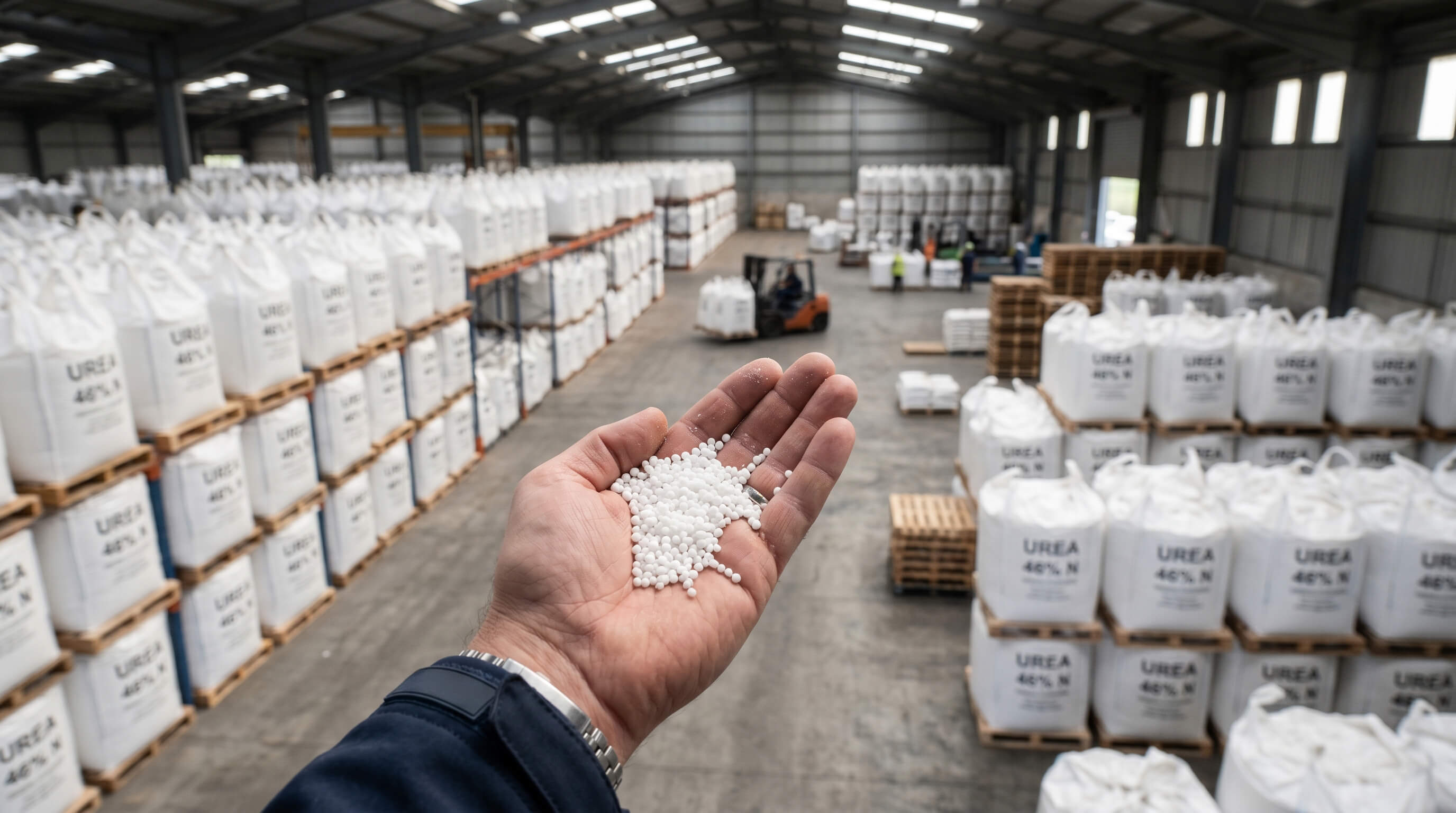
Global Urea Market in Turmoil: What It Means for Ukrainian Farmers
June 2026 has introduced unprecedented turbulence to the global nitrogen fertilizer market. Prices for urea, a key resource for farmers, have experienced a sharp decline, triggered by unpredictable shifts in China's export policy. This situation, described by experts as a "price flip-flop," creates both significant risks and a unique tactical window for Ukrainian agricultural producers planning their procurement for upcoming seasons.
The market, which was recently under pressure from geopolitical tensions in the Middle East, now faces a new challenge. China's sudden decision to resume exports without a floor price, followed by a swift reinstatement of price controls, has fueled market panic and sent quotes tumbling in key markets from Brazil to India. For Ukraine, a country heavily reliant on fertilizer imports, understanding these global dynamics is crucial for ensuring profitability and food security.
Key Drivers of Market Instability
The epicenter of the current fluctuations is China. Its attempt to enter the market with large volumes of urea at sharply lower prices, followed by an abrupt policy reversal, has demonstrated a high degree of uncertainty. This move directly impacted the results of a major Indian tender, where bids came in significantly below market expectations, amplifying the bearish trend worldwide.
Simultaneously, the market remains sensitive to other factors. The situation in the Strait of Hormuz, through which a significant portion of the world's fertilizer supply passes, remains tense. Despite a temporary easing of the "war risk premium" in prices, any escalation could instantly reverse the market trend. Furthermore, natural gas prices, the primary feedstock for nitrogen fertilizer production, remain at relatively high levels, creating long-term upward pressure on production costs.
This combination of factors—unpredictable Chinese policy, geopolitical risks, and high energy costs—creates an environment where price trends can shift on a weekly basis. This presents a difficult challenge for Ukrainian farmers: how to make the right purchasing decision without overpaying, yet ensuring they have the necessary resources during peak season.
Market Analysis and Implications for Ukraine
Ukraine remains a net importer of fertilizers, particularly from the nitrogen group. According to analytical data, fertilizer imports into Ukraine in 2025 increased by 13.3% compared to the previous year, reaching nearly 3.3 million tons. Nitrogen fertilizer imports showed the most significant growth. These figures underscore the domestic market's dependence on global conditions.
The current drop in global urea prices presents a direct opportunity for Ukrainian agricultural enterprises to lower their production costs. However, experience shows that global price reductions do not always translate instantly and fully into local Ukrainian prices. Logistical hurdles, currency fluctuations, and importer margins can erode some of the benefits. Moreover, domestic production is limited, and the availability of fertilizers during the season can become an even more critical issue than price.
A critical analysis of the situation suggests that the current low prices may be unsustainable. China's decision to reinstate price floors and condemn "short selling" indicates an intent to stabilize the market at a higher level. This implies that the window for advantageous procurement could be short. Experienced importers are already actively contracting shipments, trying to lock in favorable terms.
Strategic Outlook and Recommendations
In the next 1-3 months, the market is likely to remain volatile. A gradual recovery in prices from the lows seen in early June is expected. This will be driven by the stabilization of China's export policy and a seasonal rebound in demand from major regions like Brazil and Europe.
For Ukrainian farmers, this means that delaying purchases could lead to significant financial losses. The current situation sends a clear signal: now is the optimal time to contract at least a portion of the required nitrogen fertilizer volume for the autumn and spring seasons. Working with a reliable import partner who has long-term contracts and diversified supply channels can be a key factor in mitigating risks.
Given the high probability of a price increase in the coming months, the strategically sound decision is not to wait for further declines but to act decisively. Securing supplies at the current, relatively low prices will not only save money but also guarantee the availability of a critical resource. The instability of the global market highlights the value of partnering with seasoned importers who can navigate complex conditions and provide stability for Ukraine's agricultural sector. Contact us to discuss current pricing and supply opportunities.