Urea Market Analysis: What Farmers Should Expect in Early 2026
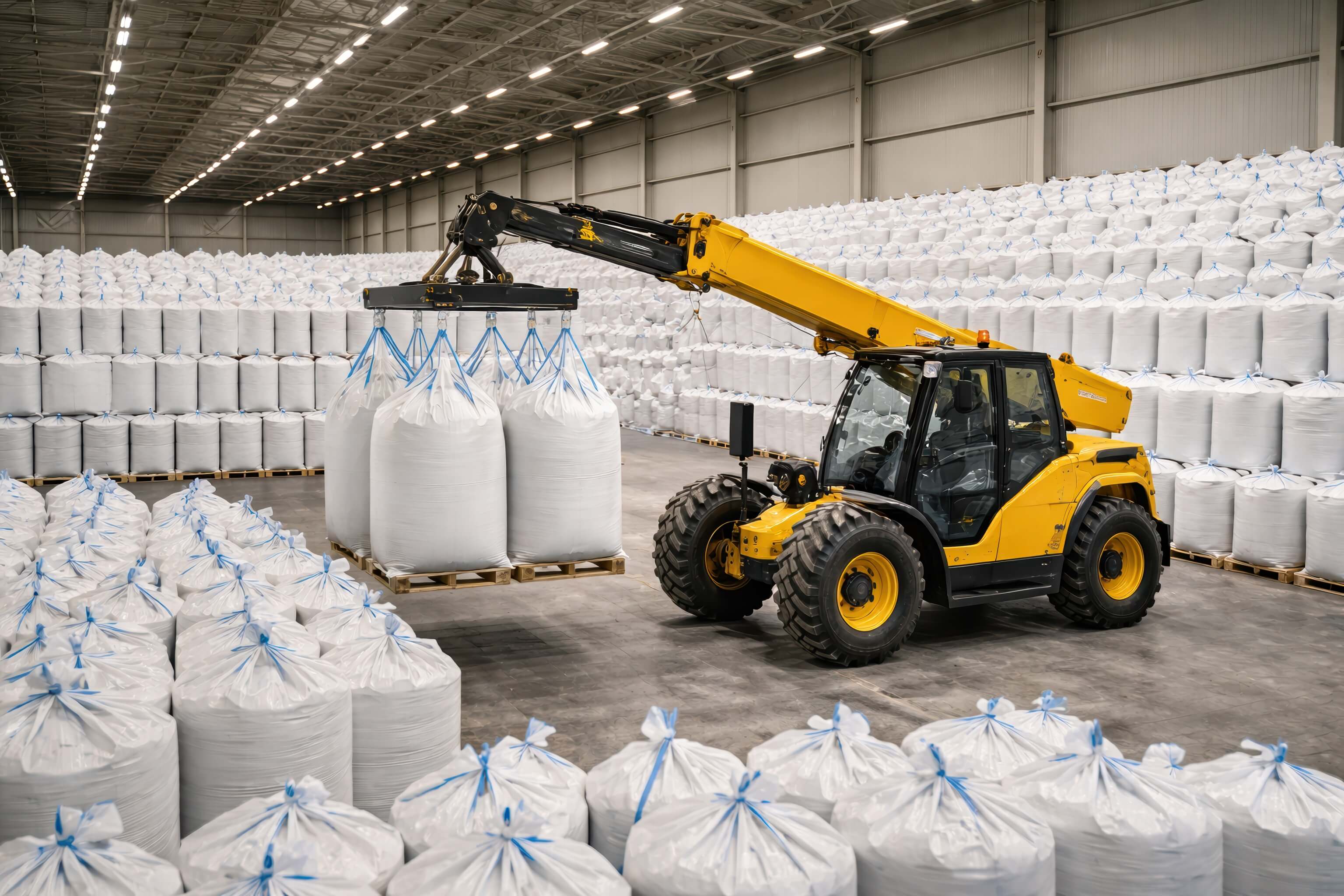
Nitrogen Fertilizer Market: Global Strengthening and Its Consequences for Ukraine
In early 2026, the global mineral fertilizer market, particularly for urea, is showing confident signs of strengthening. The key driver of this trend is a surge in demand from the United States, bolstered by geopolitical tensions in the Middle East that create risks for supply stability. For Ukrainian agricultural enterprises, this situation is a signal of potential further price increases and the need to revise procurement strategies ahead of the spring season.
Understanding these processes is critically important for ensuring the profitability of the upcoming harvest. Experienced importers are already noting increased activity in key markets, which traditionally precedes shifts in the price environment in Ukraine. Therefore, analyzing current events allows for not only forecasting but also proactive action.
Key Drivers of Market Changes
The primary catalyst for the rise in urea prices has been the activation of American buyers. Farmers and distributors in the U.S. are building stocks ahead of spring planting, a traditional demand wave that resonates globally. This year, activity is intensified by expectations of consistently high demand for corn and other crops that require significant volumes of nitrogen fertilizers.
The second significant factor is the instability related to Iran, one of the world's major urea exporters. According to international analytical agencies, production in the country has been partially curtailed due to internal gas supply issues and political tensions. Although direct military threats have somewhat subsided, the market remains sensitive to any risks that could disrupt supply chains in the Persian Gulf region.
Against this backdrop, other major players are also active. Suppliers from North Africa and Russia are trying to capitalize on the favorable conditions by redirecting volumes to markets with the highest premiums, particularly North and Latin America. This, in turn, limits the supply available to other regions, including Europe.
In-Depth Market Analysis: The European Context and Ukrainian Realities
The European fertilizer market is currently in a state of some uncertainty. One reason is the introduction of the Carbon Border Adjustment Mechanism (CBAM), which will become fully operational in 2026. As noted by European think tanks, CBAM could potentially increase the cost of fertilizer imports from countries with a high carbon footprint in production. This creates additional price pressure and forces importers to seek alternative supply sources. For Ukraine, which is integrating into the European economic space, this is an important signal about long-term changes in the rules of the game.
Meanwhile, demand from key importers like India and Brazil remains consistently high. It is expected that these countries will re-enter the market with large tenders in the coming months, which could trigger another round of price growth. According to experts, fertilizer imports into Ukraine recovered to pre-war levels in 2025, but the country may still enter the 2026 spring season with a deficit. This highlights the importance of timely imports to meet domestic needs.
It is also crucial to consider the likelihood of export restrictions from China. Although Beijing has not officially announced new quotas, the market expects that Chinese exports will not be significant in the first quarter, further limiting global supply. This combination of factors—high demand, limited supply, and regulatory changes—creates a "perfect storm" for price firming in the near future.
Strategic Outlook and Conclusions for Farmers
The forecast for the next 1-3 months is clear: the market for urea and other nitrogen fertilizers is likely to remain bullish. Continued demand growth in the US, Europe, India, and Australia ahead of spring fieldwork will support the upward price trend. Given the current dynamics, delaying fertilizer purchases until the last minute is a risky strategy.
Reliable import partners with diversified supply channels and a deep understanding of the global market are now actively contracting volumes to protect their clients from price fluctuations and potential shortages. The period of relative stability observed earlier is ending, and the market is entering a phase of volatility. Therefore, now is a favorable time to make decisions about securing the necessary resources for the spring season.
In conclusion, Ukrainian farmers should consider locking in prices and volumes in the coming weeks. Procrastination could lead to significant additional costs, which will negatively affect the cost of production. Contact our team to get up-to-date information on the availability and supply conditions of fertilizers, and ensure the stability of your business in a turbulent market. Request a quote today.