Urea Market Prices Drop: A Key Buying Window for Ukrainian Farmers
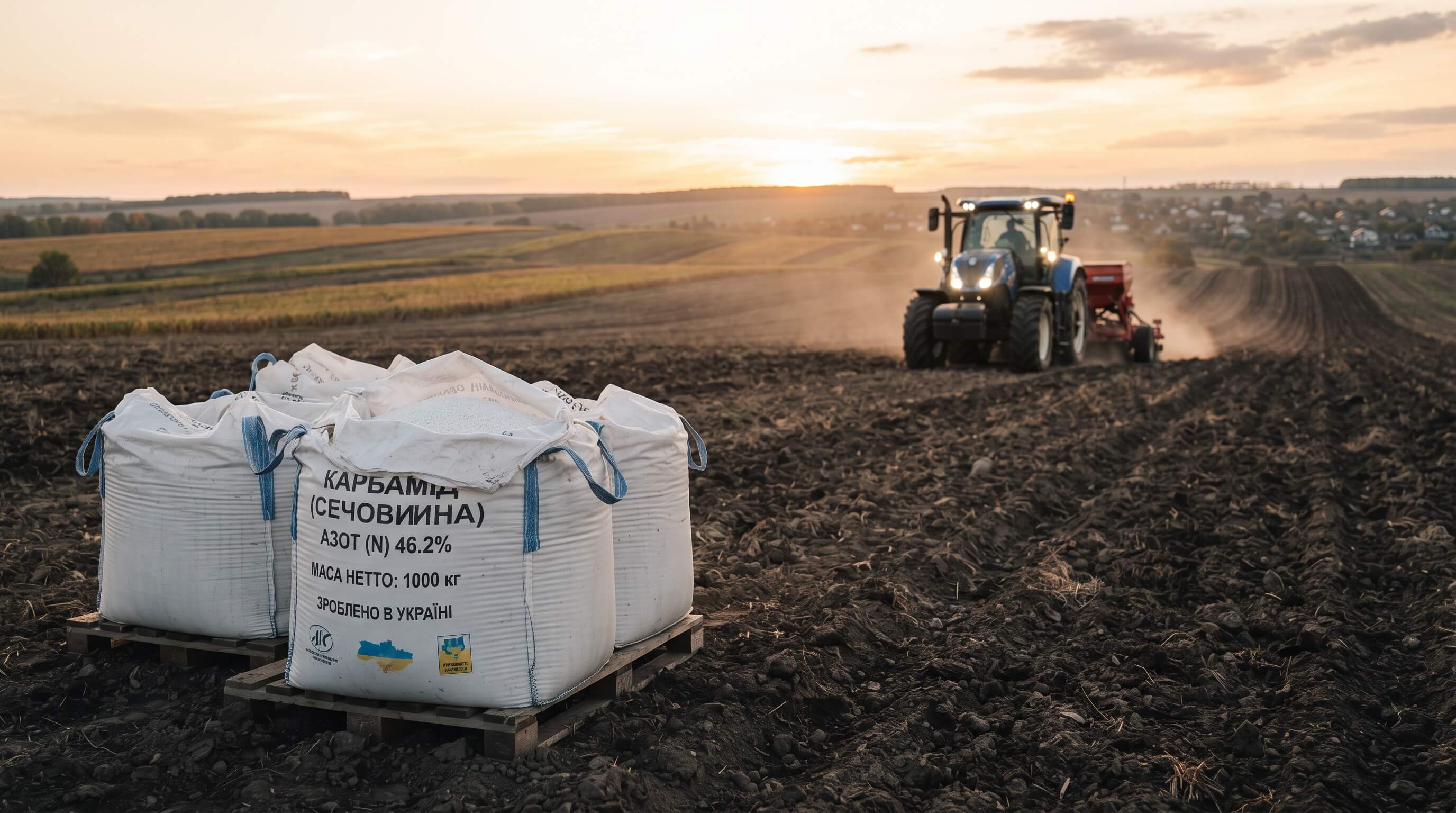
The global nitrogen fertilizer market is experiencing a period of significant turbulence, opening a unique yet time-sensitive window of opportunity for Ukrainian agricultural enterprises. The key driver behind the decline in world prices has been a shift in China's export policy, which has released additional volumes of urea onto the market. This event has triggered a chain reaction felt across all key markets, from Brazil to the Black Sea region.
For Ukrainian farmers planning their autumn sowing campaigns and building stocks for the next season, the current situation demands careful analysis and decisive action. While falling prices are a positive signal, market uncertainty and the potential for a rapid price recovery in the final quarter of the year create certain risks. Success will depend on the ability to navigate the situation swiftly and have a reliable import partner capable of securing the necessary volumes at favorable prices.
Key Trends in the Nitrogen Fertilizer Market
In early August 2026, the urea market is showing a clear bearish trend. The emergence of a second wave of Chinese export quotas has significantly increased global supply, immediately impacting prices. Major importers like Brazil are recording substantial price drops. The European market is also under pressure, though additional factors here include a seasonal decline in demand due to heat, the end of the harvest, and the holiday season.
Market liquidity remains low as many players have adopted a wait-and-see approach ahead of a major tender in India, expected shortly. Its results could become a new indicator of market sentiment. However, the overall sentiment remains pessimistic, and suppliers from the Middle East and North Africa are forced to lower their offers to remain competitive.
Interestingly, this trend affects more than just urea. Markets for related products, particularly ammonium sulphate, are reacting to the general decline in nitrogen prices. This creates complex opportunities to optimize crop nutrition costs. At the same time, it is crucial to understand that this situation cannot last forever, and analysts are already forecasting a possible price recovery.
Analysis for Ukraine's Agricultural Market
For Ukraine, which is heavily dependent on fertilizer imports, the global price decline is extremely positive news. It allows for a reduction in the cost of future harvests, which is critically important amid unstable prices for agricultural products. According to World Bank data, a gradual strengthening of grain prices is forecast by the end of 2026, which, combined with cheaper fertilizers, could significantly improve the profitability of agricultural production.
However, challenges exist. The first is logistics. Securing the physical delivery of fertilizers from international markets to Ukrainian farms is a complex process. The reliability of the supplier, their experience in international logistics, and their ability to work with Black Sea ports are paramount. Any delays could nullify the price advantage.
The second challenge is market volatility. Although prices are currently falling, fundamental factors such as rising energy costs (albeit temporarily stabilized) and expected demand growth in the US and Brazil in the fourth quarter could quickly reverse the trend. Some analytical reports, including from the Food and Agriculture Organization of the United Nations (FAO), point to a long-term trend of increasing global fertilizer demand. This suggests that the current drop is more of a temporary correction than a long-term trend.
Strategic Outlook and Recommendations
The outlook for the next 1-3 months remains cautiously optimistic for buyers. The pressure from Chinese exports is likely to persist for some time, keeping prices at a relatively low level. This creates an ideal moment to purchase fertilizers not only for winter crops but also to build reserves for the 2027 spring campaign.
However, delaying a purchasing decision would be unwise. The fourth quarter is traditionally a period of increased demand in North and South America. Once these markets begin to actively contract volumes, the balance of supply and demand will shift, inevitably leading to price increases. Experienced importers are already actively working on securing contracts to lock in favorable terms for their clients.
Therefore, the main recommendation for Ukrainian farmers is to act proactively. It is necessary to conduct a thorough needs analysis, assess financial capabilities, and enter the market. Collaboration with a reliable import partner who has a deep understanding of global markets and established logistics chains will be the key to success. Contact your supplier to get a current quote and discuss a procurement strategy, as the current window of opportunity may close sooner than expected.