Urea Market 2026: How Global Demand Impacts Fertilizer in Ukraine
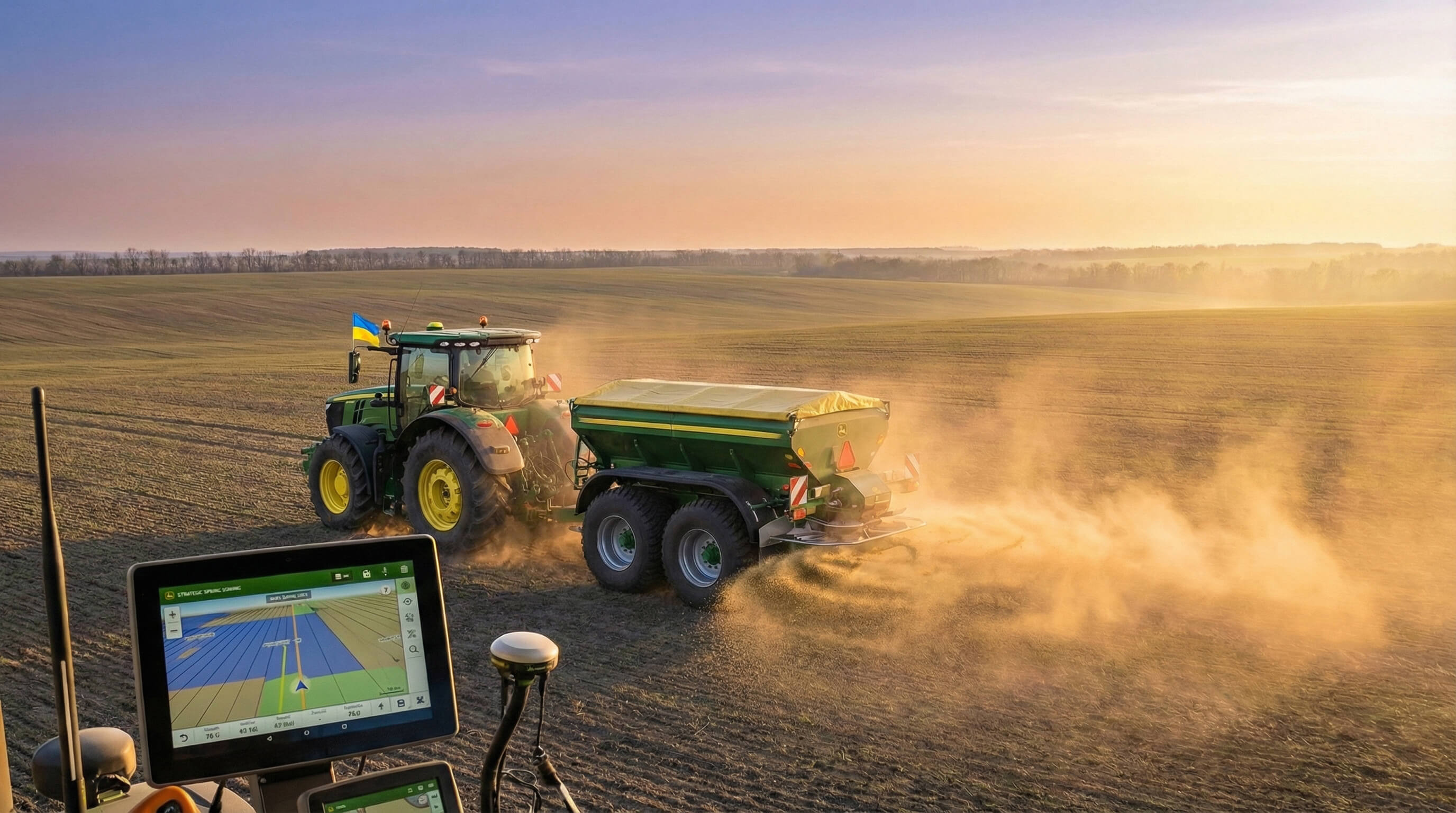
The global nitrogen fertilizer market, particularly for urea, is entering a phase of heightened turbulence ahead of the 2026 spring season. A recent massive procurement by India, exceeding 1.3 million tonnes, has catalyzed significant shifts in global supply chains. This event is creating a domino effect that directly impacts the availability and cost of fertilizers for Ukrainian farmers, forcing them to make calculated strategic decisions today.
For Ukraine's agricultural enterprises, this translates to intensified competition for available product on the world stage. Suppliers from key exporting regions such as the Middle East, Egypt, and even parts of Africa are redirecting their cargo flows to fulfill Indian contracts. Consequently, availability for other markets, including Europe and the Americas, is temporarily constrained, putting upward pressure on prices.
Key Global Market Trends and Their Consequences
The primary market driver is currently the aggressive purchasing policy of Asian nations. This demand not only absorbs substantial volumes but also sets a new price benchmark for producers. This has led to a situation where traditional markets, like Latin America, are momentarily taking a backseat. Interestingly, the Brazilian market, one of the largest importers, is showing restraint and is not rushing to accept new, higher price offers, which suggests either adequate stockpiles or an anticipation of a market correction.
Meanwhile, the European market remains relatively passive, a situation linked to prolonged demand delays due to weather and other factors. However, as the optimal window for fertilizer application approaches, a surge in demand is inevitable, which could place additional strain on the limited supply.
A critical wildcard that could alter the market landscape in the medium term is the geopolitical situation surrounding Iran. The full resumption of Iranian exports could somewhat ease market tightness, whereas any escalation would, conversely, exacerbate shortages. This uncertainty underscores the importance of diversifying supply sources and working with experienced importers capable of mitigating logistical and political risks.
Analysis for the Ukrainian Agricultural Sector
For Ukraine, which is heavily reliant on fertilizer imports, the current global environment presents a series of challenges. According to World Bank data on commodity markets, energy prices—the main component in nitrogen fertilizer production—remain at relatively high levels, supporting a general upward trend in product costs. The intensified global competition for resources means that Ukrainian companies will have to vie for available volumes against well-financed buyers from other regions.
This makes the timely contracting of fertilizers critically important. Attempting to postpone purchases until the last minute in hopes of a price drop could lead to the risk of being left without necessary volumes at the peak of the spring sowing season or being forced to buy at even higher prices.
A Strategic Window of Opportunity
Despite the current market tension, analysts forecast a potential easing of pressure in the 30-to-60-day outlook. This is based on an expected reduction in logistical constraints in the Black Sea region, softening freight rates, and a potential increase in supply from Iran. This creates a strategic dilemma for farmers: secure guaranteed supply now at current prices, or take a risk and wait, hoping for more favorable conditions later.
The optimal strategy under these conditions is a balanced approach. Securing the bulk of the required volume (50-70% of the need) in the near future will help hedge against the risk of shortages and further price increases. The remaining volume can be purchased later, potentially taking advantage of a market correction. Navigating such complex market conditions requires deep expertise and a reliable partnership.
Conclusion and Outlook
The mineral fertilizer market in spring 2026 will be characterized by high volatility and a strong dependence on the global balance of supply and demand. The Asian factor will remain dominant, keeping prices firm in the short term. Ukrainian farmers should prepare for a challenging season and pay special attention to procurement planning.
Working with reliable and experienced import companies is becoming a key element of successful agricultural production. Such partners not only provide access to the global market but also help hedge risks, optimize logistics, and make informed decisions in an uncertain environment. Securing your farm's required resources in advance is not merely a purchase; it is an investment in the future harvest and the stability of the business.
To ensure timely delivery of fertilizers for the spring season and avoid the risks of a deficit, we recommend discussing your needs with our specialists today. Contact us for a consultation and current offers.