Fertilizer Market Outlook: How Global Conflict Impacts Ukraine's Prices
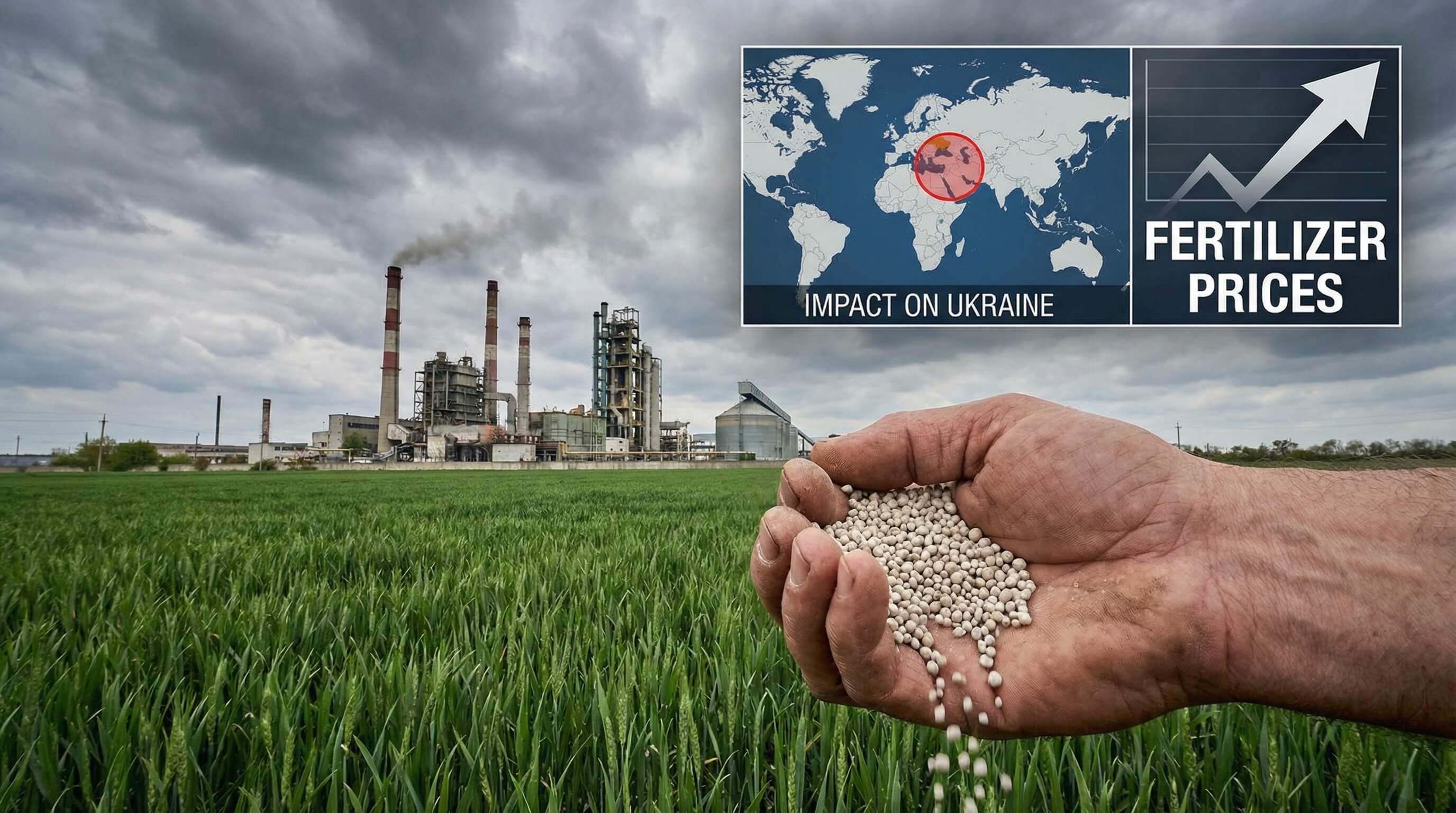
The global mineral fertilizer market is navigating a period of extreme turbulence, driven by geopolitical tensions in the Middle East. For Ukrainian farmers planning for future seasons, this environment creates significant risks related to both the price and availability of key inputs. Events unfolding thousands of kilometers away are directly impacting production costs in Ukraine, demanding a proactive and strategic approach to procurement.
The primary driver of rising prices for nitrogen fertilizers, particularly urea, has been logistical disruptions through key maritime routes like the Strait of Hormuz. This narrow channel is a critical artery for fertilizer exports from the Persian Gulf countries, which are among the world's largest producers. Any restriction on shipping immediately creates a supply shortfall on the global market and triggers a price surge, a phenomenon we have witnessed in recent weeks.
Key Market Pressure Points
The situation is complicated by more than just logistical challenges. A reduction in India's domestic production, caused by gas supply limitations for its chemical plants, has forced the country to increase its import activity. This creates additional demand on the world market, pushing prices even higher. When a market giant like India enters the market with urgent procurement needs, the impact is felt by all importers, including Ukraine.
Interestingly, the market reaction has not been uniform. While prices in producing countries in North Africa and the Middle East have hit multi-year highs, major import markets like Brazil are showing restraint. Buyers there are hesitant to close deals at inflated prices, creating a gap between asking prices and real-world demand. However, this is a fragile equilibrium; once inventories begin to deplete, importers will be forced to accept the new price realities.
Deep Dive Analysis: Implications for Ukraine
For Ukraine's agricultural sector, the current market dynamics present several serious challenges. First is the direct increase in fertilizer costs. According to World Bank data, energy prices, especially for natural gas, remain elevated, offering no basis to expect a short-term decrease in nitrogen fertilizer prices. Ukrainian farmers should prepare for higher input costs for the planting season compared to previous years.
Second, the issue of supply security comes to the forefront. Reliance on a few key supply regions is becoming increasingly risky. The experience of Australia, which is now urgently seeking alternative supply sources in Africa, demonstrates that import diversification is critically important. Experienced importers are already actively working to expand their sourcing geography to ensure Ukrainian farmers have the necessary fertilizer volumes despite global instability.
In these conditions, farmers should consider alternative plant nutrition strategies. There is growing interest in products like ammonium sulphate, which can serve as a more cost-effective substitute for urea to meet crop needs for nitrogen and sulphur. According to FAO reports, balanced nutrition is key to stable yields, and a flexible approach to fertilizer selection can help optimize costs.
Strategic Outlook and Conclusion
Over the next one to three months, the market will likely remain extremely volatile. Any news of escalation or de-escalation in the Middle East conflict will have an immediate impact on prices. Postponing purchases in the hope of a price drop is a high-risk strategy. It is more probable that the upward price trend will continue until stable logistics chains are restored.
The key task for agricultural enterprises is shifting from finding the lowest price to guaranteeing the availability of fertilizers at the right time. Working with reliable import partners who have diversified supply channels and experience navigating complex market conditions is now paramount. The focus must be on securing the resources needed for the future harvest.
Given the high level of uncertainty and the risk of further supply disruptions, it is advisable not to delay contracting. Securing your fertilizer needs in advance will allow you to lock in current prices and avoid panic buying at the peak of the season. Contact us to discuss current availability and secure your farm's needs for the upcoming season.