Fertilizer Market: Indian Tender Creates Tension — Time to Act
The global nitrogen fertilizer market is once again entering a phase of heightened turbulence. Early February 2026 was marked by a sharp increase in activity, catalyzed by a massive Indian tender. This creates both challenges and strategic opportunities for Ukrainian agricultural enterprises preparing for the spring sowing campaign. The ability to navigate current trends and act proactively is becoming a key factor in ensuring the profitability of the future harvest.
Against this backdrop of global tension, experienced importers play a crucial role in stabilizing supplies for the Ukrainian market. They can not only find alternative sources of products but also optimize logistics routes, minimizing the impact of external shocks on the final cost for farmers. Right now, as the market is at a bifurcation point, cooperation with a reliable partner can guarantee the timely and full provision of necessary resources to farms.
Key Market Drivers: Indian Demand and Logistical Hurdles
The main event of the week defining the dynamics of urea prices was the announcement by the Indian company RCF of a tender to purchase a significant volume of 1.5 million tonnes. This move instantly activated suppliers in the Middle East, Egypt, and Iran, leading to a noticeable strengthening of prices for granular urea. Producers with solid order books have taken a wait-and-see approach, which further limits the free supply on the spot market.
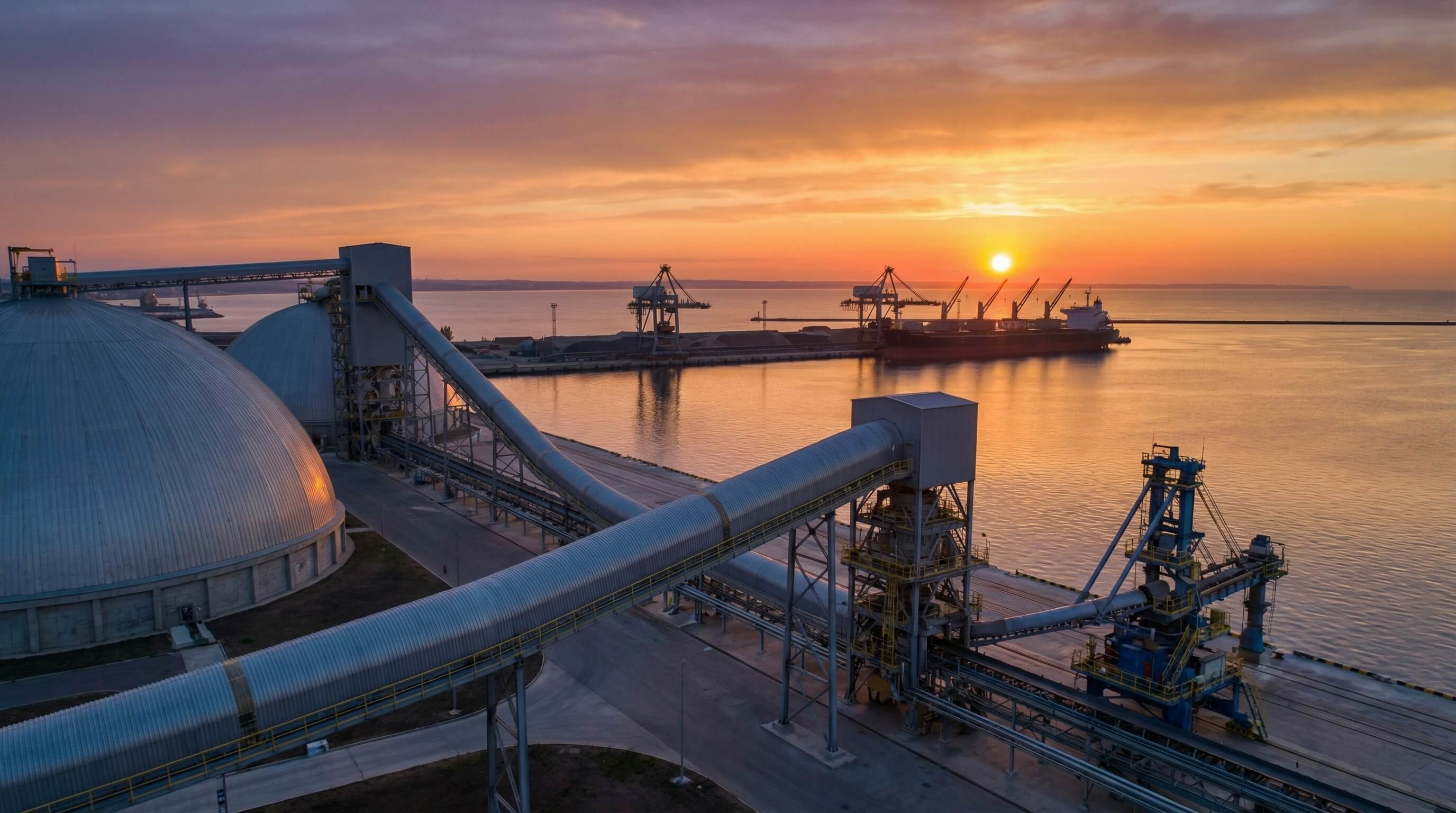
The situation is complicated by logistical problems in the Baltic region. Severe frosts and icy conditions in the ports have led to a sharp increase in freight rates and a shortage of ice-class vessels. This directly affects the netbacks (net price for the producer) for suppliers from the region, forcing them either to lower FOB prices or to look for other markets. Although this may seem like a positive signal for buyers, it actually creates uncertainty about the timeliness of shipments. According to relevant maritime administrations, the number of icebreaker-assisted transits may be halved compared to last year, threatening contract disruptions.
Analysis of Urea and Ammonium Sulphate Markets
A clear divergence is observed in the urea market. While demand from India is pushing prices up, activity in other regions, particularly Southeast Asia, remains low due to the Lunar New Year celebrations. The European market is also showing restraint. Unfavorable weather conditions in France and other Western European countries are delaying fieldwork and, consequently, importer demand.
Meanwhile, the ammonium sulphate market is showing an upward trend, supported by steady demand from Brazil and other Latin American markets. Chinese producers, the main players in this market, are reporting production cuts and limited product availability for March. This is putting pressure on prices, and many importers in Brazil and other countries are forced to return to the market to cover their needs, despite the rising costs. For Ukrainian farmers, this is a signal that ammonium sulphate, a popular source of sulfur and nitrogen, is likely to continue to rise in price in the near future.
It is important to note that, according to the Ministry of Agrarian Policy and Food of Ukraine, ensuring that farmers are supplied with fertilizers for the current season remains a priority. In the face of global instability, diversifying import supplies is a key element of national food security. Stable partners who can ensure supplies from different regions become critically important.
Strategic Outlook and Recommendations for Ukrainian Farmers
The mineral fertilizer market will remain volatile in the next 30-60 days. The results of the Indian tender will determine the short-term price vector for urea. If a significant volume is contracted, it could remove free batches from the market for March, leading to further price increases. Importers in the US and Australia are likely to become more active after this, which will create additional pressure.
On the other hand, a recovery of production in Iran is expected, which could somewhat restrain the growth. However, geopolitical tensions in the region and potential logistical risks make these supplies less predictable. Considering all factors, the current moment looks favorable for concluding deals for fertilizer supplies for the spring season. Postponing purchases could lead to facing higher prices and limited product availability in the high season.
Experienced import companies are already forming fertilizer consignments, taking into account the complex market situation. Turning to such a partner will allow you to lock in prices and guarantee the availability of the resource in your warehouses before the start of active fieldwork. Don't wait for peak demand — secure your harvest today. Contact us for up-to-date information on availability and delivery terms.