Fertilizer Market Outlook: Is Now the Time for Farmers to Buy Urea?
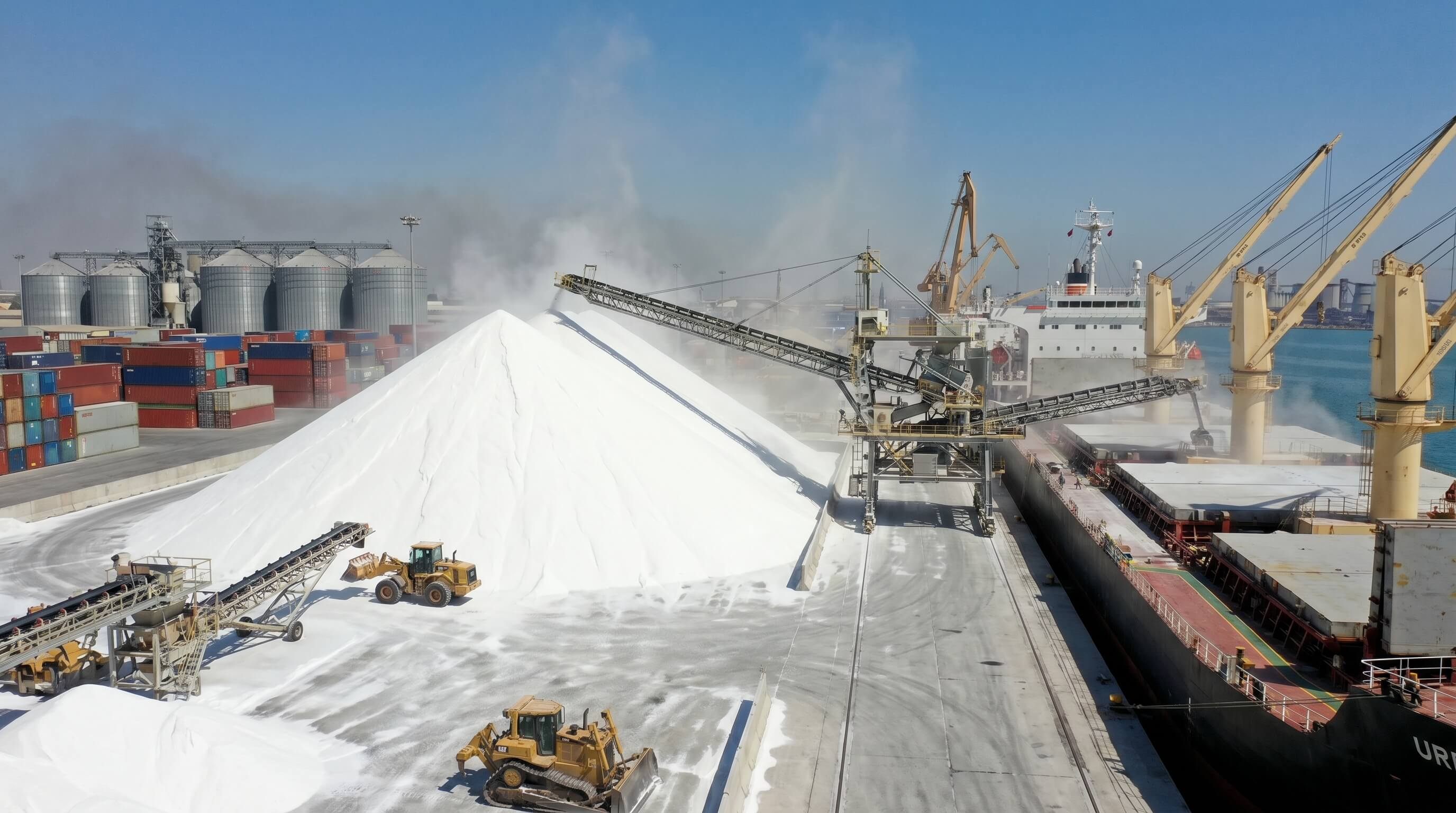
The global market for nitrogen fertilizers, particularly urea, is experiencing a period of significant price decline. After a prolonged phase of growth driven by high energy costs and geopolitical instability, the market has entered a corrective phase. This creates a unique, though potentially short-lived, window of opportunity for Ukrainian agricultural enterprises planning their procurement for the upcoming season.
An oversupply amid weak demand from key importers like Brazil and European nations is pressuring prices from producers in the Middle East, North Africa, and the Baltic region. This situation offers Ukrainian farmers a rare chance to lock in more favorable terms than have been available in recent months. However, to fully capitalize on this moment, it's crucial to understand the underlying risks and the factors that could quickly reverse market dynamics.
Key Factors Driving the Market
The primary reason for the current downward trend is a lack of active purchasing on the global stage. According to market analysis, India, one of the world's largest urea importers, currently holds substantial inventories, allowing it to refrain from issuing new large-scale tenders. Indian tenders often act as a catalyst for price hikes as they absorb vast quantities of product from the market. The absence of this key driver is weighing on producers, forcing them to seek out buyers and make price concessions.
Simultaneously, an interesting logistical trend is emerging. In response to tensions around the Strait of Hormuz, a critical transport corridor for Middle Eastern fertilizers, major producers like Saudi Arabia's Sabic are beginning to actively use alternative routes, such as ports on the Red Sea. This demonstrates market flexibility but also underscores the vulnerability of supply chains. Any further escalation in the region could instantly impact freight costs and product availability.
Another element of uncertainty is the situation in the Black Sea region. Reports of attacks on production facilities in Russia, while not having a confirmed impact on export volumes, are creating market nervousness. A reduction in supply from this region could partially offset the overall surplus, but for now, the market is not fully pricing in this risk.
Analysis for the Ukrainian Agricultural Sector
For Ukraine, which is heavily reliant on fertilizer imports, the current global environment is favorable. According to data from the Food and Agriculture Organization of the United Nations (FAO), the fertilizer affordability index for farmers remains tight in many parts of the world. A decline in global prices can help improve the economics of major crop cultivation in Ukraine, where the cost of material and technical resources is a critical factor for profitability.
However, the situation must be viewed with caution. The issue is not just about price but also about the reliability of supply. Logistical challenges related to the Black Sea port blockade remain relevant, with delivery through European ports adding to costs and lead times. In these conditions, the role of an experienced importer capable of building diversified and reliable supply channels from various regions—be it the Baltics, North Africa, or the Middle East—becomes paramount.
Should We Expect Further Price Drops?
Although the current trend is downward, several factors could reverse it. The most significant is the anticipated tender in India. Once it is announced, the market will receive a powerful signal, and prices will likely stabilize or even begin to rise, establishing a new price floor. The expectation that this could happen in the coming weeks creates a sense of urgency.
Furthermore, the return of Chinese exporters to the market cannot be ruled out. Their presence is currently limited, but a change in Beijing's domestic policy could quickly saturate the market with additional volumes, which would again impact prices. This uncertainty makes long-term forecasting extremely complex and risky.
Strategic Outlook and Conclusion
The current situation in the global nitrogen fertilizer market offers Ukrainian farmers a strategic advantage. Prices are under pressure, allowing for contracts to be signed on more favorable terms than a few months ago. However, waiting for the absolute bottom is a risky strategy, as the market is fraught with uncertainties that could quickly change the trend.
The most rational approach is active market monitoring and planning purchases in the near term. This will help hedge against a potential price increase following the Indian tender announcement and ensure the farm is supplied with necessary resources on time. Collaborating with a reliable import partner who has a deep understanding of the market and diversified logistics will help minimize risks and maximize the benefits of the current favorable conditions.
The market is signaling a time for action. To discuss current terms and receive a tailored quote, contact our specialists today. We will help you develop an optimal procurement strategy that meets your needs.