Nitrogen Fertilizer Market in Crisis: How Ukrainian Farmers Can Secure Supply
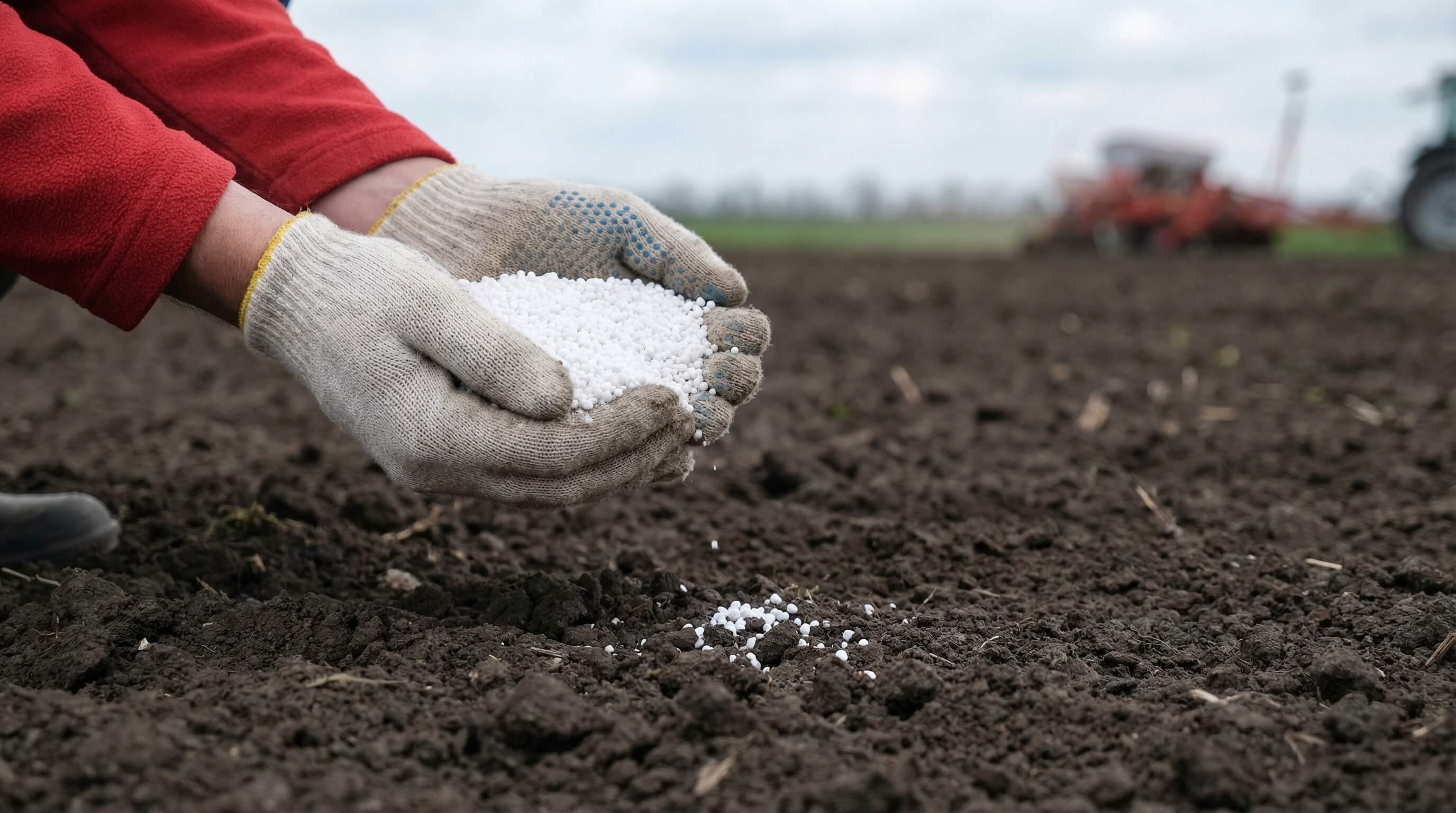
The global nitrogen fertilizer market is experiencing an unprecedented shock following the sudden escalation of geopolitical conflict in the Middle East. Attacks on critical energy and industrial infrastructure in Iran, Saudi Arabia, Kuwait, and Qatar have effectively paralyzed production and logistics chains in a region that stands as a cornerstone of global fertilizer supply. This crisis has sent immediate shockwaves across international markets, posing a severe challenge to Ukrainian farmers as they approach the critical planting season.
The consequences are stark: prices for all nitrogen products, particularly urea, are surging across every major trading hub. However, the primary concern is rapidly shifting from price to the physical availability of the product. The effective blockade of the Strait of Hormuz, the vital maritime artery for exports from the Persian Gulf, has cut off millions of tonnes of fertilizers from the global market. The situation is exacerbated by temporary export restrictions being implemented by other producing nations to stabilize their own domestic markets. For Ukraine's agriculture sector, which is heavily reliant on imports, the operative question is no longer "at what price to buy?" but "where can we buy, if at all?"
Drivers of the Market Crisis
The current market turmoil is the result of a perfect storm of critical factors. Firstly, direct damage to production facilities in the Middle East has significantly reduced the available supply of fertilizers. The restoration of these assets could take months, creating the prospect of a long-term deficit. Secondly, the logistics collapse in the Persian Gulf is forcing importers worldwide to urgently seek alternative sources of supply.
This creates immense pressure on producers in regions unaffected by the conflict, such as North Africa (Egypt, Algeria) and Nigeria. Competition for every available cargo from these origins has intensified dramatically. Major consumers like Australia, Brazil, and the United States are already actively contracting available volumes, further limiting the options for Ukrainian importers. It is crucial to understand that this is not a short-term panic, but a fundamental shift in the structure of global supply, the effects of which will be felt for at least the next several months.
Analysis of Implications for Ukraine's Agricultural Sector
For Ukraine, where nitrogen fertilizers are fundamental to the cultivation of key export crops like wheat, corn, and sunflower, the current situation poses a direct threat to food security and economic stability. Reports from Ukraine's Ministry of Agrarian Policy have consistently highlighted the direct correlation between crop yields and the timely, adequate application of fertilizers. A disruption in supply could lead not only to a decrease in harvest volumes but also to a deterioration in crop quality.
In this environment, agricultural enterprises must reassess their procurement strategies. Waiting for prices to decrease in the near term is an extremely risky gamble. On the contrary, all market indicators point to a deepening deficit. Competition for the limited volumes from alternative sources will only increase, inevitably leading to higher prices and more complex logistics. In such a scenario, the key objective shifts from finding the lowest price to guaranteeing the required volumes to execute the planting season successfully.
Partnering with reliable, experienced importers who possess diversified supply channels and a deep understanding of the market becomes critically important. Such partners can help navigate the chaotic market environment and secure effective logistics solutions.
Strategic Outlook and Recommendations
The outlook for the next one to three months remains extremely tense. The market is in a state of structural deficit, and a quick resolution is not on the horizon. Even if diplomatic de-escalation occurs, rebuilding damaged infrastructure and normalizing shipping routes will require significant time. Therefore, Ukrainian farmers should prepare for a challenging period.
The primary recommendation today is to act proactively. It is imperative to urgently audit fertilizer needs and contract the necessary volumes as soon as possible. Delay could lead to a situation where the product is simply unavailable at any price. The priority now is to ensure the stability and predictability of agricultural production. Protecting the future harvest begins with making the right decisions today.
To secure the necessary fertilizer volumes and mitigate the risks of disrupting your planting season, we strongly advise contacting our specialists immediately. We can provide a current market assessment and propose optimal solutions for your operation.