Nitrogen Fertilizer Trends: Global Drivers & Ukraine
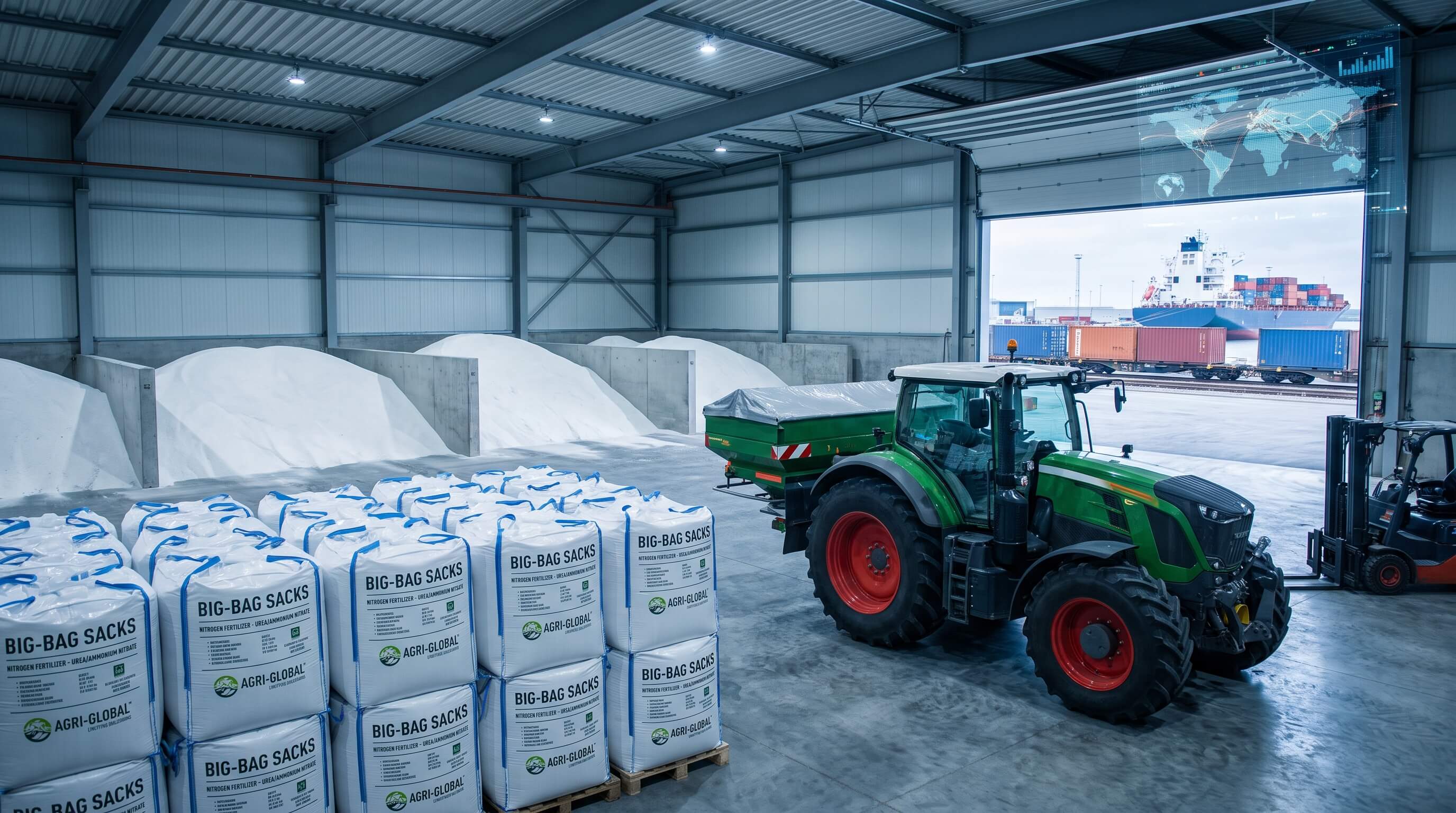
The international nitrogen fertilizer complex has entered a distinct bullish phase, characterized by continuous upward momentum across granular urea, UAN, and nitrate formulations. This upward trajectory is underpinned by mounting maritime transit risks along strategic global chokepoints, a strengthening agricultural commodity complex, and persistently elevated energy costs across continental Europe. For agricultural producers in Ukraine, who are actively managing autumn drilling while concurrently planning balance sheets for the critical spring application window, these international macroeconomic movements require a proactive and disciplined procurement strategy.
Ukraine’s domestic agrochemical market remains intrinsically tied to import parity and regional trade flows. With domestic synthesis of basic nitrogen compounds constrained by infrastructural and energy limitations, diversified cross-border supply chains through Black Sea and Danube river ports, as well as western railway corridors, represent the backbone of agricultural supply. As replacement costs rise at primary origin ports, domestic distribution is beginning to mirror these global gains, narrowing the window for securing cost-effective nutrition.
Key Global and Regional Market Developments
The primary driver of the current upward price rally remains concentrated west of the Suez Canal. Leading export producers in North Africa, predominantly in Egypt and Algeria, have successfully placed substantial granular urea volumes for October and November discharge into key Western European receiving terminals. These commitments have drastically thinned spot cargo availability, granting producers substantial pricing leverage. Concurrently, internal warehouse stocks in major consuming nations like France and the Benelux countries have tightened, triggering immediate upward revisions in local distribution offers.
Simultaneously, vibrant demand from the Americas is absorbing substantial offshore volume. Strong grain prices, particularly firming corn futures, have enhanced nitrogen affordability ratios for growers in North and South America. High domestic netback values in the US Gulf are actively attracting tons away from Latin America, intensifying competition among importers. Compounding this dynamic, potential legislative shifts in North American trade policy regarding severe tariff structures on specific overseas fertilizer origins have prompted global trade houses to aggressively re-position vessel flows, tightening spot merchant supplies.
Expectations that Chinese export volumes would introduce downward pressure have failed to materialize into real market softness. Although Chinese authorities allocated a third round of export quotas estimated at roughly two million metric tons, the absence of tight shipping deadlines, paired with domestic plant turnarounds due to high feedstock costs, has kept FOB values resilient. Furthermore, the broader trading community anticipates that the upcoming large-scale import tender by India will rapidly absorb these Asian parcels, leaving the European and Mediterranean basins entirely dependent on regional suppliers.
Deep Market Analysis: Energy Costs, Regulations, and Ukraine
Macroeconomic indicators highlight the direct vulnerability of nitrogen manufacturing to energy market swings. According to the World Bank’s Commodity Markets Outlook, energy volatility remains the principal upside risk factor across global raw material indices. Data from the Food and Agriculture Organization (FAO) reinforces that natural gas represents between 60% and 80% of total cash operating costs for European ammonia and nitrogen facilities. Despite temporary softening on the Dutch TTF hub, gas prices remain structurally elevated compared to historical averages, forcing European calcium ammonium nitrate (CAN) and ammonium nitrate (AN) production costs close to or above current wholesale valuations.
Furthermore, maritime logistics are navigating severe structural frictions. Official FAO global market updates underscore that severe disruptions and navigation constraints around Middle Eastern maritime straits have increased transit times and inflated freight indices across handysize and panamax bulk fleets. For Ukrainian agricultural companies importing raw materials via Constanța, the Danube ports (Izmail, Reni), or Polish rail border interchanges, higher sea freight rates and fuel surcharges translate directly into steeper delivered farm-gate prices.
Product Segment Overview
- Granular and Prilled Urea: Regional availability across the Black Sea relies on sporadic availability from Central Asian producers moving via trans-Caspian routes. With Western Europe aggressively pulling tons, competition for prompt Black Sea and Mediterranean parcels is intense.
- UAN Solutions: European liquid nitrogen quotations have surged due to robust cereal markets and replacement cost pressures. For Ukrainian agri-holdings, securing liquid tank storage and early railway tank cars is critical to mitigate expected seasonal distribution bottlenecks.
- Ammonium Sulphate: Demand for sulphur-enhanced nitrogen continues to accelerate ahead of spring oilseed and winter cereal top-dressing. With Chinese standard and compacted caprolactam-grade material constrained by export inspections, European availability remains tight, reinforcing the firm pricing environment.
Strategic Outlook and Recommendations
Over the next one to three months, fundamental indicators provide little justification for downward price adjustments. Rather, the combination of anticipated Indian tender absorption, elevated winter energy premiums across Europe, and firm international freight rates suggests nitrogen prices will remain firmly supported with potential for further gains. Agricultural enterprises that adopt a passive waiting approach risk facing significant product scarcity and inflated replacement costs during the pre-sowing rush in early spring.
Working alongside experienced import partners allows Ukrainian agricultural businesses to bypass spot volatility, optimize multimodal transit routes, and guarantee delivery schedules. Navigating complex customs clearance, border crossing capacities, and supplier allocations requires specialized expertise in shifting global markets. Securing physical tons today protects operational margins and guarantees crop nutrition timing.
To safeguard your spring fertilizer program against further international price increases and secure guaranteed delivery windows, contact our sales desk today to request a tailored commercial offer.