Nitrogen Fertilizer Market at a Crossroads: Is Now a Strategic Buying Window?
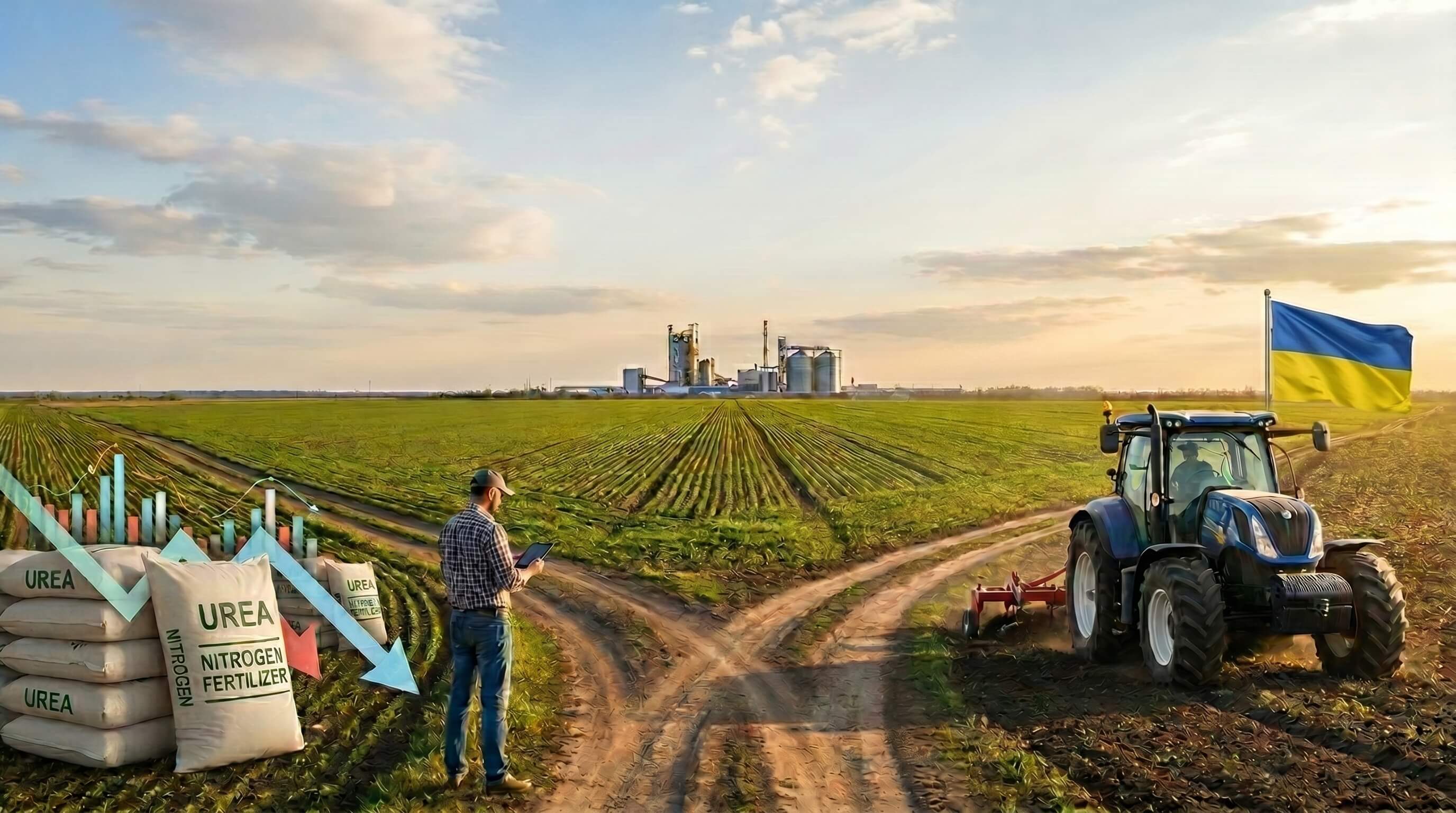
Nitrogen Fertilizer Market at a Crossroads: A Strategic Window for Agricultural Enterprises
The global market for nitrogen fertilizers, particularly urea, is currently experiencing a period of notable price decline. In recent weeks, a softening trend has been observed across key markets from the Middle East to Latin America, driven by limited demand and a wait-and-see approach from major buyers. However, this temporary lull could be deceptive, as the market is holding its breath for an event that could fundamentally alter the price trajectory. For Ukrainian agricultural enterprises, this situation creates a unique, but likely brief, window for strategic procurement.
The primary reason for the downward pressure on prices is a lack of active purchasing from key players. Many importers are remaining on the sidelines, hoping for further price drops. This trend is clearly visible in bellwether markets like Brazil, where granular urea prices have seen a significant slide. Producers, in turn, are feeling the pressure and are being forced to lower their offers to stimulate trade.
The Decisive Factor of Uncertainty: The Indian Tender
All market attention is currently focused on India. The expectation of a new, large-scale urea purchasing tender is the main factor preventing a steeper price collapse and could be the catalyst for a sharp rebound. Should India enter the market with a substantial purchase volume, it would instantly absorb the current oversupply and trigger an upward price trend. Market participants understand that the current price weakness is fragile, and any signal of renewed Indian demand could turn the market on a dime. The continued absence of Chinese suppliers from the global marketplace only amplifies the potential impact of this single event.
Interestingly, even significant individual purchases, such as recent tenders in Bangladesh, have failed to halt the overall downward trend. This indicates that the market has built up a certain level of supply cushion, but it is not unlimited. This is precisely why the anticipation of an Indian tender is keeping everyone on edge.
Deep Market Analysis: The Global Context and Its Impact on Ukraine
The current state of the fertilizer market is unfolding against a complex macroeconomic backdrop. According to recent World Bank reports, fertilizer prices are forecast to rise significantly in 2026, driven by higher energy costs and geopolitical tensions. In the first quarter of 2026 alone, the fertilizer price index has already climbed, reaching its highest levels since 2022. This creates a paradoxical situation: a short-term dip in urea prices is occurring within a long-term trend of rising costs.
This dissonance is caused by a temporary supply glut and buyer caution. However, fundamental factors, such as the price of natural gas—the primary feedstock for nitrogen fertilizer production—remain elevated. Any new logistical disruptions or geopolitical shocks could quickly send prices back on an upward trajectory, in line with World Bank projections.
For Ukraine, this means the current price dip is an opportunity that cannot be ignored. The spring sowing campaign in Ukraine, according to the Ministry of Agrarian Policy, has been proceeding under the pressure of rising input costs, particularly for fertilizer and fuel. Securing the necessary volume of nitrogen fertilizers at the current, more favorable prices could significantly lower the cost base for the upcoming harvest. With the 2026 grain harvest forecast to be around 60.4 million tons, nearly matching last year's levels, effective cost management becomes a key determinant of profitability.
Strategic Outlook and Conclusion for Ukrainian Farmers
Over the next one to three months, the nitrogen fertilizer market is expected to remain extremely volatile. The current period of price consolidation is likely temporary. If an Indian tender is announced in the coming weeks, the market could rapidly shift from a "buyer's market" to a "seller's market," with a corresponding price surge. If the tender is delayed, prices may continue to drift lower, but the risk of a sudden reversal will persist.
Given this uncertainty, the most rational strategy for Ukrainian farmers and distributors is to hedge their risks. This does not necessarily mean buying the entire year's supply at once, but securing a significant portion of nitrogen fertilizer needs now appears to be a well-justified move. This would allow for locking in a relatively low price and ensuring the guaranteed availability of this critical resource for autumn fieldwork and winter crop top-dressing.
Navigating such market turbulence requires deep expertise and reliable partners. Experienced importers with established logistics chains and direct contracts with producers can offer not only better pricing but also the supply stability that is crucial in the current environment. Securing fertilizer supplies in advance is an investment in the stability and profitability of the upcoming agricultural season. Contact our specialists to get up-to-date information on availability and delivery terms.