Nitrogen Fertilizer Market: Trends & Ukraine Import Outlook
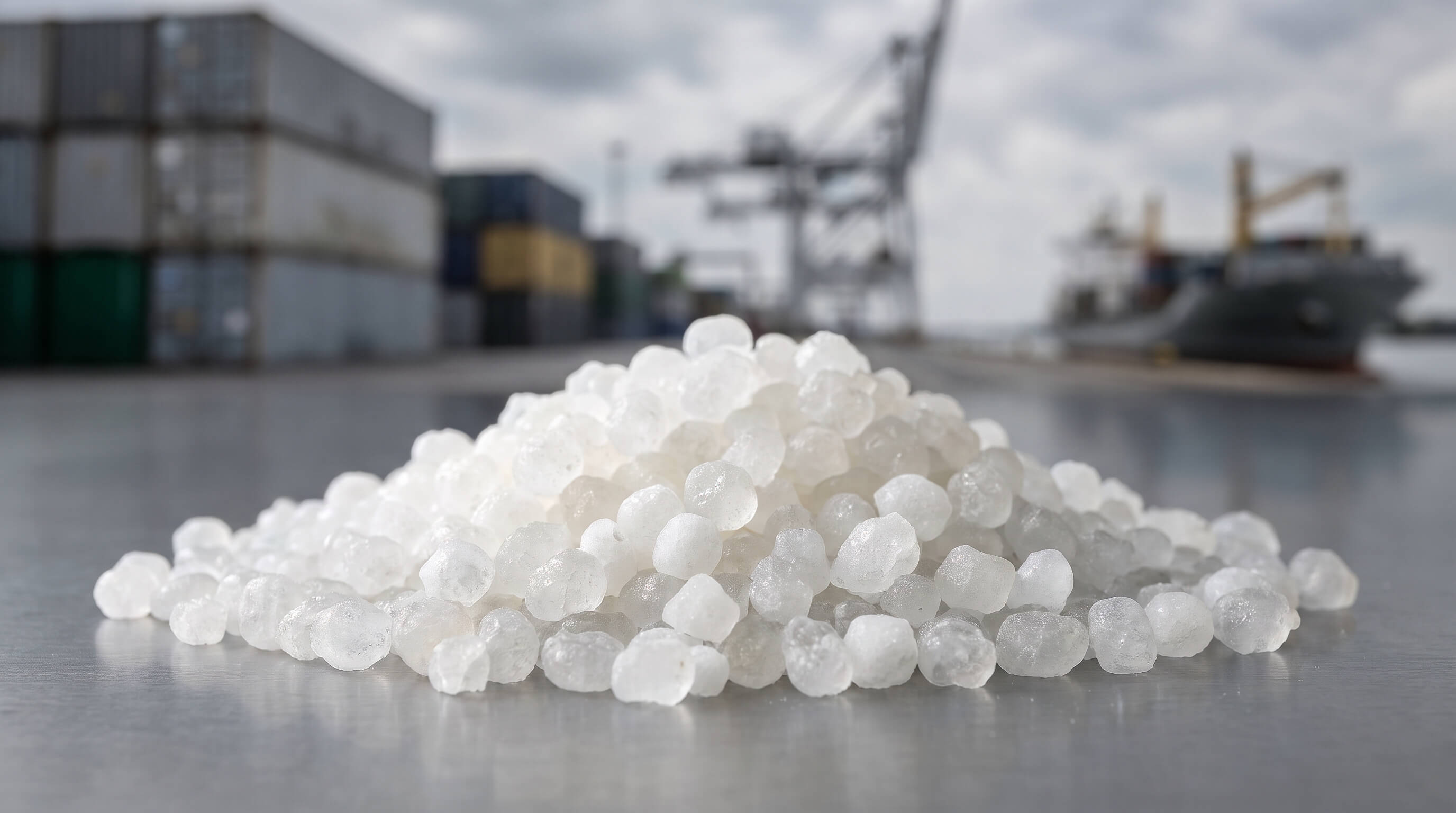
The global nitrogen fertilizer market has entered a phase of tentative consolidation following the brisk price rallies witnessed throughout early autumn. Buyers across Europe and the Americas have temporarily paused substantial procurement, restrained by tighter farm-level margins, grain price volatility, and geopolitical instability. However, underneath this outward appearance of market softening lie potent structural cost pressures that could quickly re-ignite upward price momentum as the fourth quarter advances.
For Ukrainian agricultural enterprises, this short-lived breather represents a critical strategic juncture. With domestic chemical manufacturing operating under constrained conditions, the agricultural sector relies heavily on steady import inflows. Escalating European natural gas tariffs, heightened passage risks across sensitive maritime energy corridors, and mounting congestion along Black Sea transshipment routes are rapidly shifting the terms of trade. Waiting for further discounts may prove costly when the pre-spring procurement rush begins in earnest.
Key Market Developments: Hesitant Buying Clashes with Soaring Costs
International granular urea benchmarks across primary exporting hubs in North Africa and the Middle East have hovered in a stable-to-soft posture over recent days. Purchasing sentiment remains restrained as buyers in Western Europe digest previous shipments and monitor grain market fluctuations. Nonetheless, while buyers hesitate, producers show minimal inclination to grant concessions, underpinned by sold-out order books extending through mid-to-late November and ongoing feedstock uncertainties.
In stark contrast, the European nitrates segment is experiencing severe upward pricing pressure. Natural gas futures on major continental hubs have surged dramatically, breaching multi-month highs in response to escalating Middle Eastern tensions, pipeline risks, and unseasonably cold weather forecasts. This spike has driven the theoretical cash cost of ammonia and nitrate production in Northwest Europe far above historical norms. Faced with negative margins, leading continental manufacturers have curtailed synthesis operations and announced immediate price hikes on calcium ammonium nitrate (CAN) and ammonium nitrate (AN) for November and December delivery, with spot volumes tightly rationed.
The ammonium sulphate sector presents an equally intricate supply dynamic. Although industrial sulfur settlements in select regional hubs have posted modest fourth-quarter adjustments, market values for compacted and granular ammonium sulphate remain firm. Voracious application requirements from Latin American agricultural programs, coupled with continued administrative scrutiny over export allocations from East Asian producers, have kept spot availability exceptionally constrained.
A rigorous evaluation of supply fundamentals shows that current urea price softening reflects temporary buyer fatigue rather than a structural supply glut. As European nitrogen synthesis slows down due to prohibitive energy tariffs, continental demand will inevitably pivot toward imported urea, absorbing merchant length and hardening global price floors.
Deep Market Analysis: Logistics Bottlenecks, Official Statistics, and Regional Reality
Assessing fertilizer economics for Ukraine requires an integrated understanding of the transit pipeline. Delivered costs to domestic farm gates are heavily governed by maritime freight and inland transshipment efficiency. The port of Constanta and key river hubs along the Danube continue to serve as the vital lifeline for imported bulk fertilizers. However, this supply route is under severe dual pressure: historically low water levels along the Danube have restricted barge draft limits, while a tremendous influx of Ukrainian grain exports moving southward has created massive gridlock across port rail networks and discharging berths. Consequently, short-sea Black Sea freight rates have climbed, and transit lead times are lengthening.
These supply-side bottlenecks coincide with a pivotal stage in Ukraine's crop production calendar. According to official data from the Ministry of Agrarian Policy and Food of Ukraine, domestic growers had sown over 3.92 million hectares of winter grains by late October, achieving over 75% of the total projected planting area. Sowing of winter rapeseed exceeded initial targets, surpassing 1.12 million hectares (101.4% of forecast). Winter wheat alone covers more than 3.5 million hectares. These vast areas will demand intensive early-spring nitrogen top-dressing to preserve yield potential. Relying on spot purchases in late winter carries unacceptable operational risks, as port congestion and regional transport bottlenecks can easily leave fields unfertilized during crucial vegetation stages.
International Demand Drivers: The Indian Tender and Global Balances
The global merchant market is shaped by several powerful demand anchors:
- Impending Indian Buying: India's state trading apparatus secured only a fraction of its targeted tonnage in its recent enquiry. Market fundamentals indicate that a comprehensive new import tender will be floated shortly, an event that historically siphons off substantial export availability from the Middle East and Southeast Asia within days.
- Chinese Export Discipline: While Chinese urea export outflows surged by nearly 80% year-on-year in September, domestic wholesale prices inside China have recently rebounded. Rising domestic inventory requirements ahead of winter will naturally curb unfettered export allocations into the merchant spot market.
- Record South American Output: Official seasonal forecasts released by Brazil's Conab project total grain and oilseed production for 2026/27 to hit an all-time record above 367 million metric tonnes. Sustained acreage expansion ensures that Brazilian demand for granular nitrogen and compacted sulphates will maintain robust competition against other global import destinations.
From an affordability perspective, agricultural margins have faced pressure from recent grain market weakness. However, official reporting from the Food and Agriculture Organization of the United Nations (FAO) confirms that its global Cereal Price Index rebounded by over 5% in the latest monthly assessment, driven by higher wheat quotations and supply disruptions across Black Sea logistics routes. This rebound demonstrates that global crop prices continue to offer underlying support for agricultural inputs, countering expectations of an extended decline in farmgate demand.
Strategic Outlook and Actionable Procurement Advice
Looking ahead over the next 1 to 3 months, the current phase of market digestion is expected to give way to renewed upward momentum. Once the anticipated Indian import tender enters the execution phase and European nitrate supplies remain constrained by elevated gas markets, nitrogen prices are primed for a fresh round of appreciation throughout late November and December. The longer agricultural buyers wait to finalize their positions, the narrower the supply window becomes as the fourth quarter closes.
For Ukrainian agribusinesses, the ongoing lull represents an optimal window for securing essential nutrients. Delaying purchasing decisions into January or February exposes farming operations to compound risks: elevated FOB prices, rising cross-border freight costs, and the physical inability of transport corridors to clear seasonal import surges simultaneously.
Working alongside an established, experienced import partner provides agricultural producers with transparent market access, optimized multimodal freight routing, and guaranteed product quality. Partnering with professionals who actively navigate European ports and regional distribution channels ensures your fertilizer arrives on time. Contact our team today to request a quote, secure current price allocations, and protect your spring crop nutrition programs.
[[ARTICLE]]