India's Tender Ignites a Fire in the Urea Market: A Closing Window for Farmers
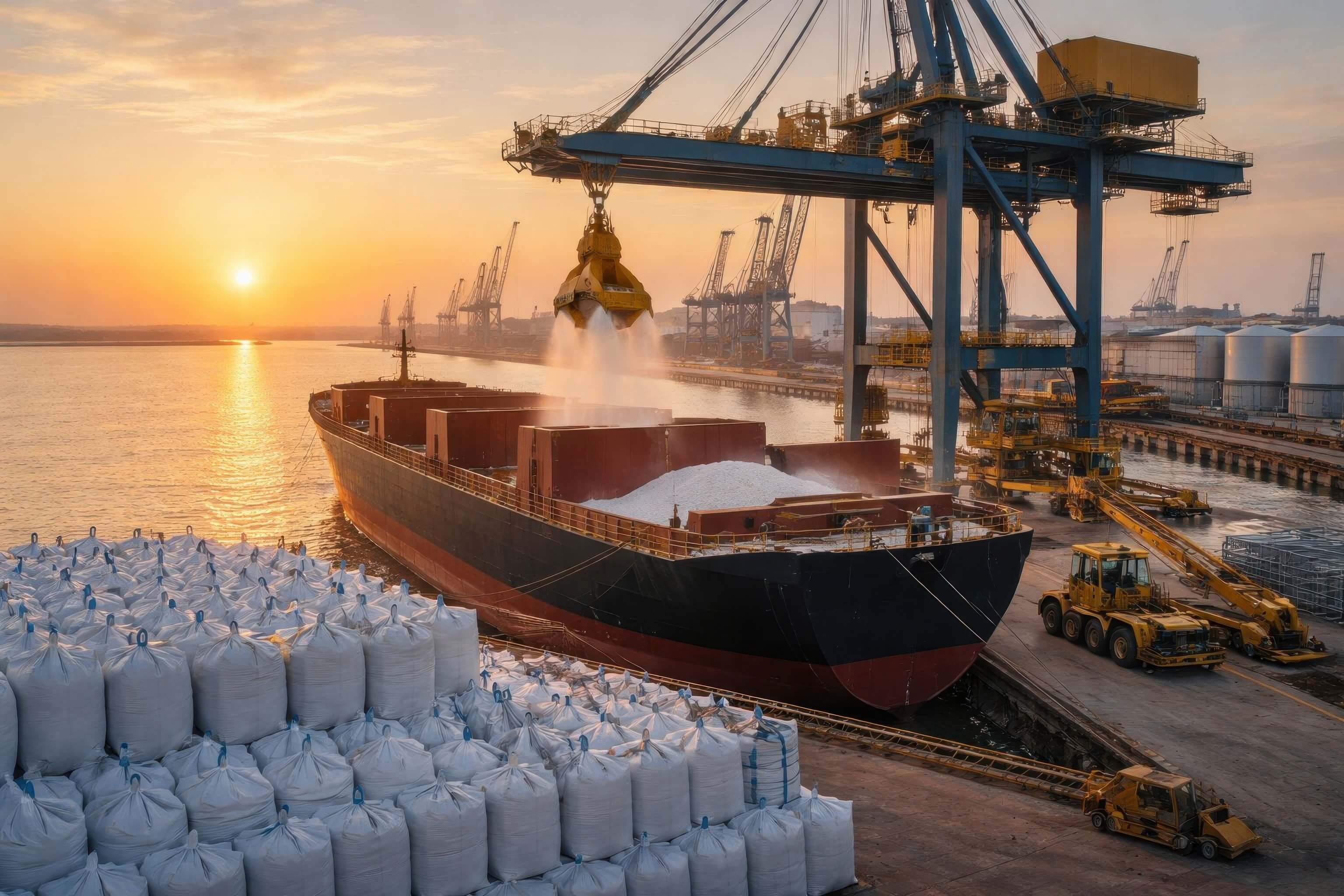
After a brief period of calm, the global nitrogen fertilizer market has received a powerful jolt that has completely shifted its dynamics. An unexpectedly early and large-scale tender announced by India has acted as a catalyst, reversing the price trend upwards. This creates a new reality for importers and farmers worldwide, especially in Ukraine, where securing inputs for the spring 2026 planting season is entering a critical planning phase.
The sudden revival in demand instantly absorbed available volumes on the market, forcing producers to revise their price expectations. For Ukrainian agricultural producers, this situation is a critical signal. The window of opportunity to purchase fertilizers at relatively stable prices is closing rapidly. A wait-and-see approach, which may have seemed justified just a week ago, has now become a strategic risk, threatening both increased costs and potential supply chain disruptions.
Key Drivers of the Market Reversal
The epicenter of this change is the new procurement tender from India's NFL for 1.5 million tonnes of urea. Its announcement, much earlier than anticipated, caught the market off guard and triggered a chain reaction. Producers in the Middle East, Egypt, and Algeria, who are key suppliers to the global market, immediately felt their positions strengthen. Offers at previous prices were quickly withdrawn, and new targets were set at significantly higher levels.
The situation is further complicated by fundamental factors on the supply side. Reports are emerging of natural gas supply cuts to producers in Iran, a key urea supplier. According to the World Bank, energy markets remain highly volatile, and any disruption in raw material supply inevitably constrains fertilizer production and pushes prices up. This factor, combined with frenetic demand, creates the perfect conditions for a sustained upward trend.
In-Depth Analysis: New Rules in Europe and Logistical Hurdles
An additional element reshaping global trade is the European Union's Carbon Border Adjustment Mechanism (CBAM). Recently published clarifications confirm that from January 1, fertilizer imports into the EU will be subject to additional carbon levies. For example, the cost of this levy for urea from Egypt could exceed €40 per tonne. This not only increases the cost of fertilizers for European farmers but also reshapes global trade flows, forcing producers to seek markets with simpler regulations.
For Ukraine, this presents both opportunities and threats. On one hand, some volumes may be redirected to non-EU markets. On the other, the simultaneous surge in demand from India, Brazil, and other regions is putting immense pressure on logistics. Freight costs for vessels are already beginning to react to the increased activity. In the coming months, the main problem may not be the price itself, but the physical availability of ships and the ability to deliver the product on time. Experienced import companies understand that a battle is currently underway for production slots at factories and for chartering vessels for January-February.
A Strategic Outlook for Ukrainian Farmers
The forecast for the next 30-60 days is clear: the market has entered a growth phase. The combination of surging demand, limited supply, and logistical complexities is creating powerful upward pressure on prices. A return to previous levels is not expected in the near future.
In these conditions, a waiting strategy is a losing game. Every day of delay means not only a potential price increase but also a higher risk of being left without fertilizer during the critical pre-sowing period. The final moment for making management decisions and securing fertilizer supply contracts is now. Locking in volumes and prices today is less about trying to save money and more about investing in guaranteed supply security and the stability of your agricultural operations.
Partnering with a reliable importer that has direct contracts with producers and a deep understanding of the freight market becomes a key success factor. This ensures not only a competitive price but also guarantees priority shipment and timely delivery, which is crucial for preparing for the spring 2026 planting season. Contact us to receive current market intelligence and develop a fertilizer procurement strategy for your farm.